
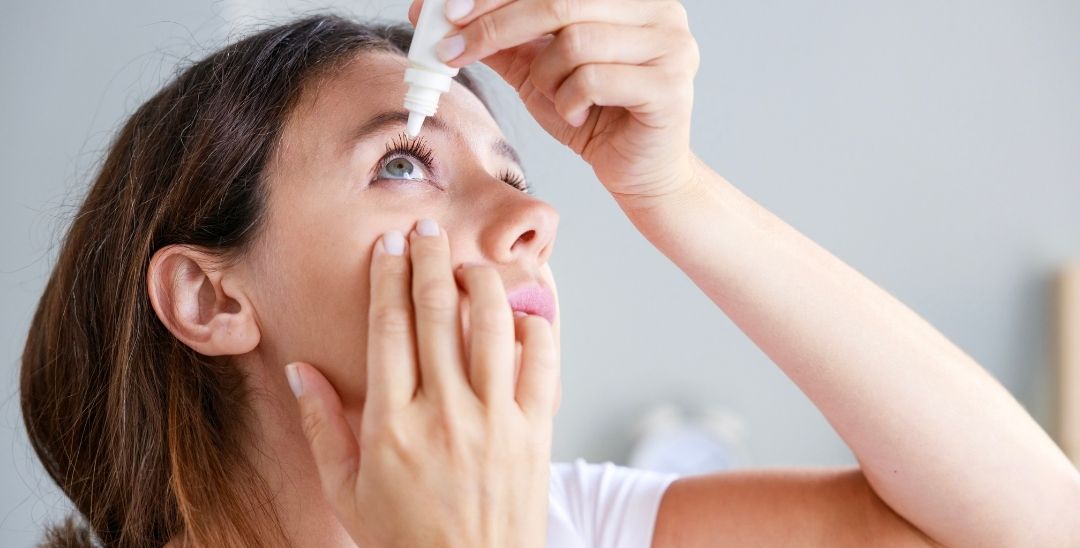
Many people rely on artificial tears as their primary solution for dry eye symptoms. While lubricating eye drops can provide temporary relief, they often don’t address the underlying causes of dry eye disease.
Dry eye is a complex, chronic condition that involves tear film instability, inflammation, and, in many cases, meibomian (oil) gland dysfunction. For longer-lasting relief, it’s important to understand why artificial tears may not be enough — and what treatments can actually help.
Why Artificial Tears Help — But Don’t Cure Dry Eye
Artificial tears are designed to temporarily improve ocular lubrication and reduce surface irritation. They can be a useful part of a dry eye care plan, especially for mild symptoms or occasional dryness.
However, artificial tears do not treat the underlying cause of dry eye disease, which can include:
-
Meibomian gland dysfunction (MGD)
- Ocular Rosacea
- Chronic ocular surface inflammation
- Hormonal imbalances
- Environmental triggers
- Medication side effects
- Autoimmune diseases (e.g. Sjogren Syndrome)
- Digital Eye Strain
- Anatomical or neurological abnormalities
This is why many people find that eye drops only work for a short time, and symptoms return soon after.
The Limits of Artificial Tears
Here are the main reasons artificial tears alone may fall short:
1. They Don’t Effectively Treat Inflammation
Many cases of dry eye involve chronic inflammation of the ocular surface. Lubricating drops may soothe symptoms but are not strong enough to decrease inflammation on the eye's surface. Prescription strength anti-inflammatory treatments are often required for lasting relief.
2. They Don’t Fix Meibomian Gland Dysfunction (MGD)
Meibomian glands produce the oily layer of the tear film that prevents your tears from evaporating too quickly. When these glands are blocked or dysfunctional, tear evaporation increases - drops alone won’t solve this issue. Targeted treatments for MGD are needed.
3. They Don’t Provide Long-Term Tear Film Stability
Artificial tears can provide temporary lubrication, but they don’t always improve tear film stability long-term. Certain drop formulations can work better than others depending on the type of dry eye, but they are rarely sufficient as a standalone treatment.
4. Preservatives Can Worsen Dry Eye Symptoms
Some artificial tears contain preservatives that can actually irritate the ocular surface, especially with frequent use. Preservative-free drops are usually recommended for moderate to severe chronic dry eye.
What Actually Works: Comprehensive Dry Eye Treatment Plans
Modern dry eye care focuses on identifying the root causes of the condition (not just the symptoms) and creating a personalized treatment plan. Depending on your condition, a dry eye specialist may recommend:
-
Prescription eye drops (such as anti-inflammatory or tear stimulants)
-
Warm compress therapy to improve meibomian gland function
-
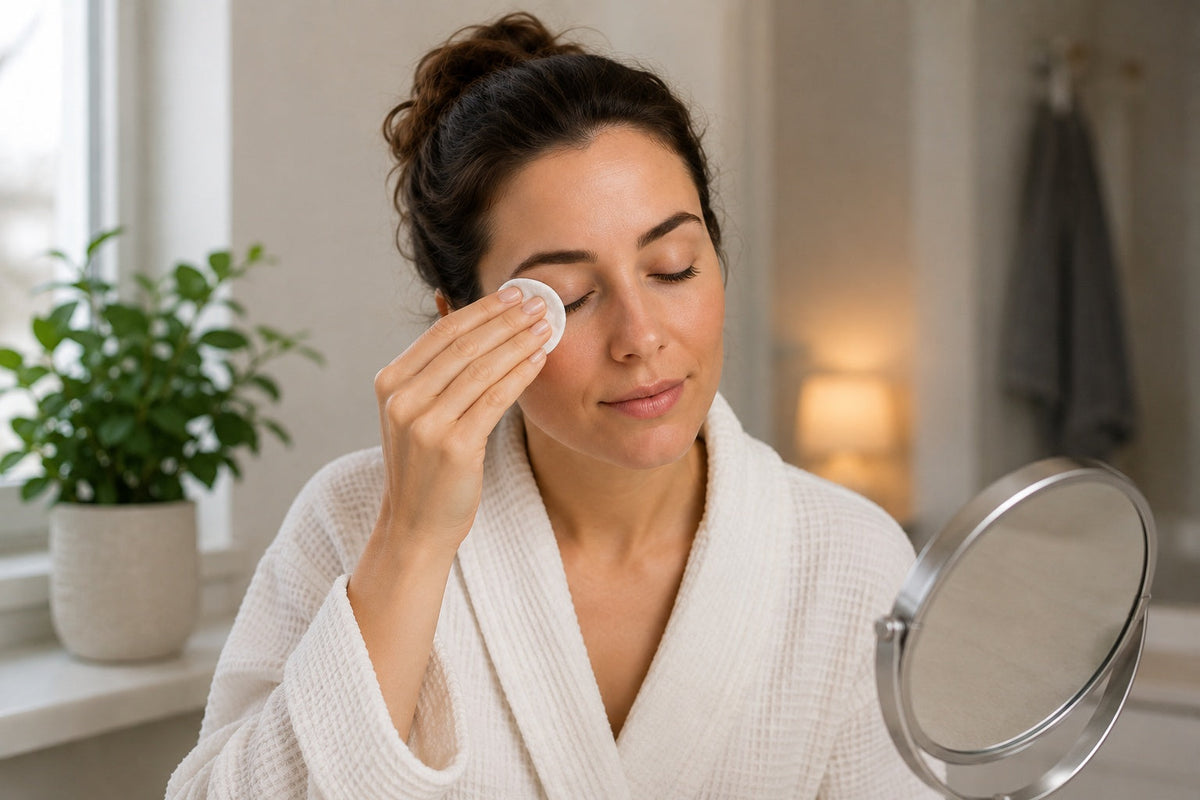
Lid hygiene and cleansing routines (cleansers, wipes, etc.)
-
Omega-3 Fatty Acids (tear quality support)
-
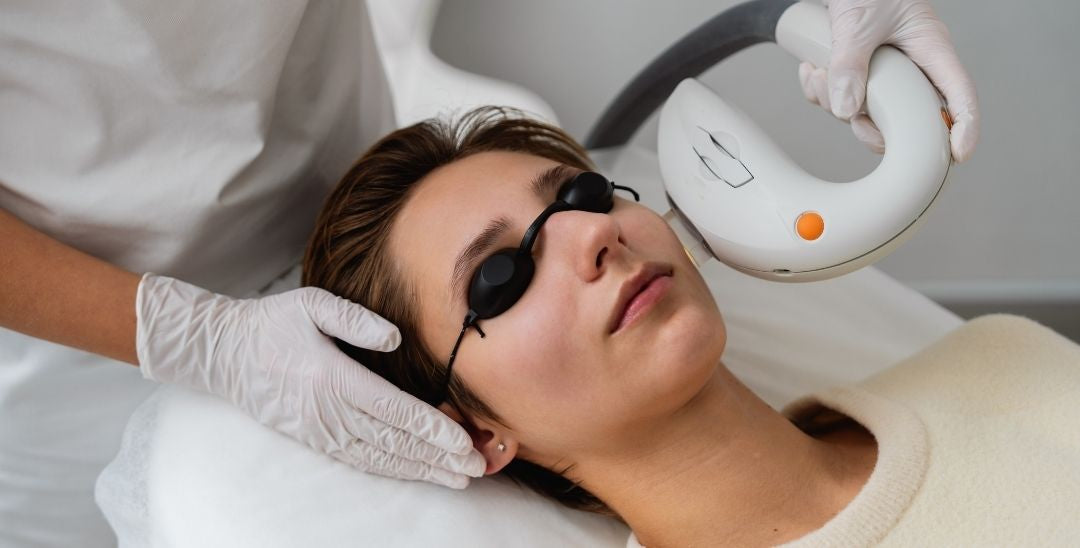
In-office treatments (e.g., Intense Pulsed Light (IPL), LipiFlow, or eyelid hygiene/debridement therapies)
-
Environmental modifications (humidifiers, screen breaks, protective eyewear)
When to Seek Professional Dry Eye Care
If you rely on artificial tears more than a few times per day, or if your symptoms are persistent, it may be time to consult an eye care professional.
An optometrist or ophthalmologist can:
-
Diagnose the type of dry eye you have
-
Identify underlying causes or contributing factors
-
Recommend targeted, evidence-based treatments
-
Develop a long-term management plan
Conclusion: Treat the Cause, Not Just the Symptoms
Artificial tears can be helpful for temporary relief, but they are rarely enough on their own - especially for moderate to severe chronic dry eye disease. A personalized, evidence-based dry eye care plan is essential for lasting comfort and to promote healthy vision.
References:
- Aragona, P., Giannaccare, G., Mencucci, R., Rubino, P., Cantera, E., & Rolando, M. (2021). Modern approach to the treatment of dry eye, a complex multifactorial disease: a PICASSO board review. British Journal of Ophthalmology, 105(4), 446-453.
- Kim, M., Lee, Y., Mehra, D., Sabater, A. L., & Galor, A. (2021). Dry eye: why artificial tears are not always the answer. BMJ open ophthalmology, 6(1).
- Matossian, C., Crowley, M., Periman, L., & Sorkin, S. (2022). Personalized management of dry eye disease: beyond artificial tears. Clinical Ophthalmology (Auckland, NZ), 16, 3911.
Contributors:

Sarah Farrag, OD
Dr. Sarah Farrag is originally from Halifax, Nova Scotia, and is happy to be practicing optometry in her hometown. She graduated with honors from the University of Waterloo Doctor of Optometry program in June 2015. In addition to routine optometric care, Dr. Farrag also facilitates an advanced dry eye clinic offering specialty consultation and treatment for severe dry eye.