

Dry eye disease is one of the most common conditions seen in eye care clinics. Many patients ask an important question when they are first diagnosed: Can dry eye actually be cured?
The answer depends on the underlying cause of the dry eye and how early the intervention starts. In many cases, symptoms can improve significantly with the right treatment plan—but dry eye is generally a chronic condition that requires ongoing management to reduce symptoms.
Understanding why dry eye occurs can help clarify what treatment can realistically achieve.
What Causes Dry Eye?
Dry eye disease occurs when the tear film does not adequately lubricate the surface of the eye. This may happen because the eyes produce too little tears or because the tears evaporate too quickly. There are many different physiologic drivers of dry eye disease and in many cases, patients could have more than one.
The most common causes include:
-
Meibomian gland dysfunction (MGD)
-
Reduced lacrimal tear production
-
Inflammation of the ocular surface
-
Hormonal changes
-
Aging
- Rosacea
-
Certain medications (such as antihistamines or antidepressants)
-
Environmental factors like screen use, air conditioning, and dry climates
Since all of these underlying mechanisms differ, the ability to reverse symptoms also varies. All patients are different, but most symptomatic patients will require more than one single therapy to manage symptoms.
When Dry Eye Can Improve Significantly
In some situations, dry eye symptoms can improve dramatically when the underlying trigger is addressed.
Examples include:
Medication-related dry eye
If dry eye symptoms began after starting a medication, adjusting or changing that medication (with your physician’s guidance) may reduce symptoms.
Environmental triggers
Improving humidity, reducing screen time, or modifying workplace ergonomics can sometimes reduce tear evaporation and improve comfort.
Early meibomian gland dysfunction
When meibomian gland dysfunction is caught early, treatments such as:
-
Heat therapy
-
Lid hygiene
-
Omega-3 supplementation
-
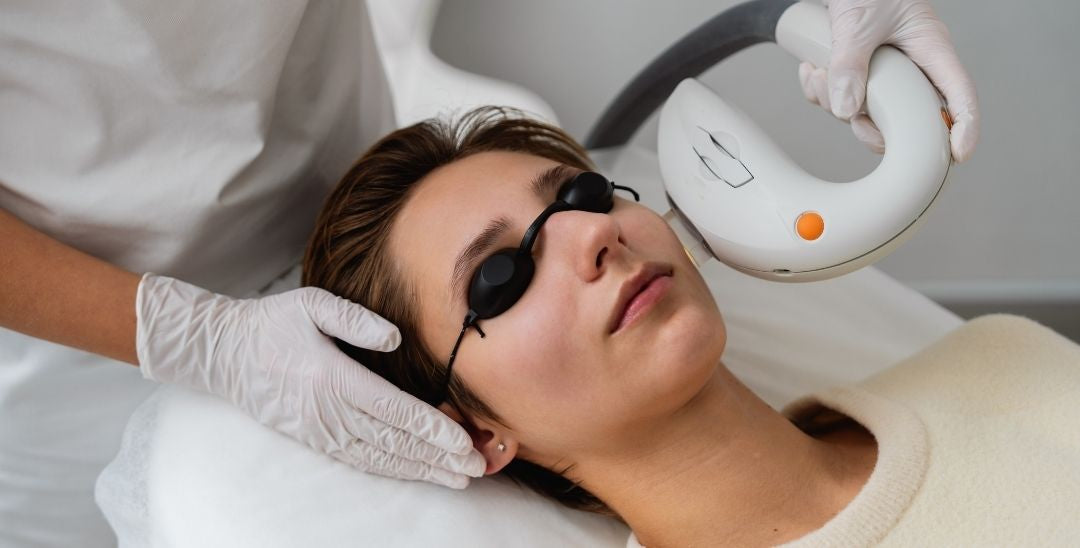
In-office treatments (such as thermal pulsation or IPL)
can improve gland function and stabilize the tear film.
While this may not fully “cure” dry eye, it can lead to substantial and lasting symptom improvement.
Why Dry Eye Is Considered a Chronic Condition
For many patients, dry eye disease develops gradually over time. Chronic inflammation of the eyelids and ocular surface can lead to changes in the tear film and meibomian glands which worsen symptoms. In particular, meibomian glands can become blocked and eventually die off (atrophy) over time. Once glands are lost, they cannot be regenerated.
This is why early diagnosis and treatment are so important. Treating dry eye early may help preserve gland function and slow down the chronic progression of the disease.
The Goal of Dry Eye Treatment
Instead of focusing on a “cure,” modern dry eye management aims to:
-
Improve tear film stability
-
Reduce ocular surface inflammation
-
Restore healthy gland function where possible
-
Slow disease progression
-
Improve ocular comfort and quality of vision
Many patients experience major improvement in symptoms once a personalized treatment plan is in place.
Treatments That Help Control Dry Eye
Effective dry eye care often combines several strategies, including at-home treatments like heated eye masks or warm compresses, regular eyelid hygiene practices, tear drops/gels/lubricants, and omega-3 fatty supplementation. If at-home therapy is not enough to control symptoms, prescription drops or oral medications may be prescribed. In addition, some eye clinics provide advanced treatment options like intense pulsed light, scleral lenses, iLux or Lipiflow. These therapies address the root causes of dry eye, rather than simply masking symptoms. Ask your optometrist or ophthalmologist if these treatment options could be beneficial for you.
Why Early Treatment Matters
Dry eye disease progresses if left untreated or if treatment is not adequate. Early treatment helps:
-
Protect the ocular surface
-
Maintain healthy tear film balance
-
Preserve meibomian gland function
-
Reduce long-term symptoms
Patients who begin treatment earlier often experience better long-term outcomes.
Conclusions
Symptoms from dry eye disease can sometimes improve dramatically when underlying triggers are addressed. However, it is considered a chronic condition that generally requires ongoing management.
The good news is that modern treatments can significantly improve comfort, stabilize the tear film, and slow disease progression.
If you are experiencing symptoms such as burning, redness, blurry vision, or eye fatigue, an eye care professional can help identify the cause of your dry eye and develop a treatment plan tailored to your needs.
References:
- Rouen, P. A., & White, M. L. (2018). Dry eye disease: prevalence, assessment, and management. Home healthcare now, 36(2), 74-83.
- Pflugfelder, S. C., & de Paiva, C. S. (2017). The pathophysiology of dry eye disease: what we know and future directions for research. Ophthalmology, 124(11), S4-S13.
- Lienert, J. P., Tarko, L., Uchino, M., Christen, W. G., & Schaumberg, D. A. (2016). Long-term natural history of dry eye disease from the patient's perspective. Ophthalmology, 123(2), 425-433.
Contributors:

Sarah Farrag, OD
Dr. Sarah Farrag is originally from Halifax, Nova Scotia, and is happy to be practicing optometry in her hometown. She graduated with honors from the University of Waterloo Doctor of Optometry program in June 2015. In addition to routine optometric care, Dr. Farrag also facilitates an advanced dry eye clinic offering specialty consultation and treatment for severe dry eye.