
If you've been diagnosed with dry eye disease, you've probably heard a long list of recommendations: use lubricating eye drops, apply a heat mask, clean your eyelids, take breaks from screens, stay hydrated, and more. While all of these strategies can be helpful, many people struggle with one simple problem: consistency.
The truth is: the best dry eye routine isn't necessarily the most complicated one: it's the one you'll actually follow. A simple, sustainable routine performed regularly is often more effective than an elaborate treatment plan that gets abandoned after a few weeks. In this article, we'll discuss how to build a practical dry eye routine that fits into your daily life and one that supports long-term ocular comfort.
Why Consistency Matters for Dry Eye
Dry eye disease is a chronic condition. Unlike an infection that clears up after a short course of treatment, dry eye usually requires ongoing management. Many highly recommended treatments will only work gradually over time. For example, heat masks help soften thickened oils within the meibomian glands-this treatment is great for patients with meibomian gland dysfunction but will not give you that immediate soothing relief that you'd get by instilling an eye drop into the eye. Lubricant eye drops help maintain moisture on the eye's surface, but do not address chronic meibomian gland dysfunction. The benefits of a heat mask accumulate through regular use rather than a single treatment session.
Creating a routine that feels manageable can make a significant difference in controlling dry eye symptoms and maintaining eye health.

Start with the Essentials
If you're feeling overwhelmed, start small.
For many patients, a basic dry eye routine could include:
-
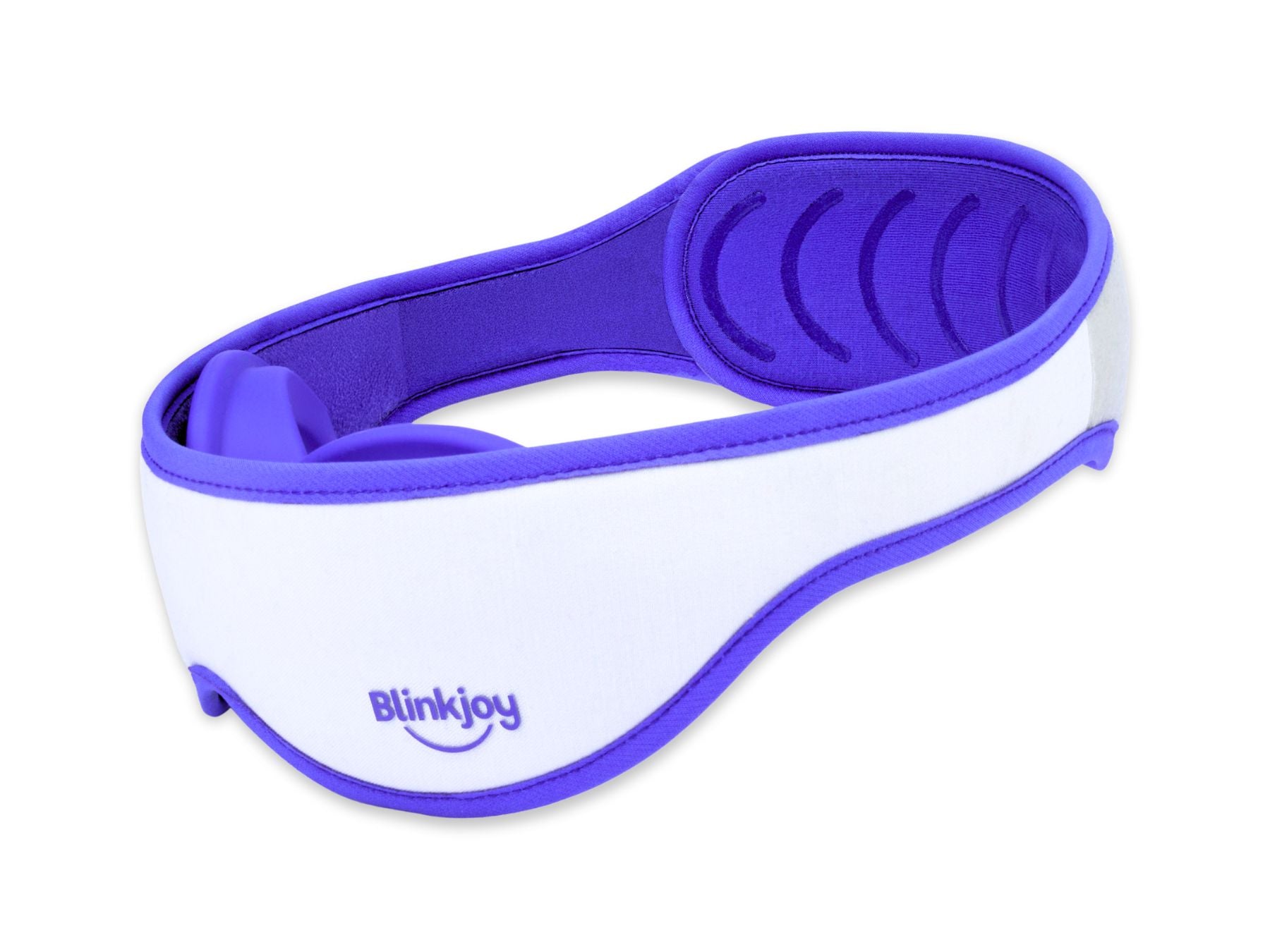
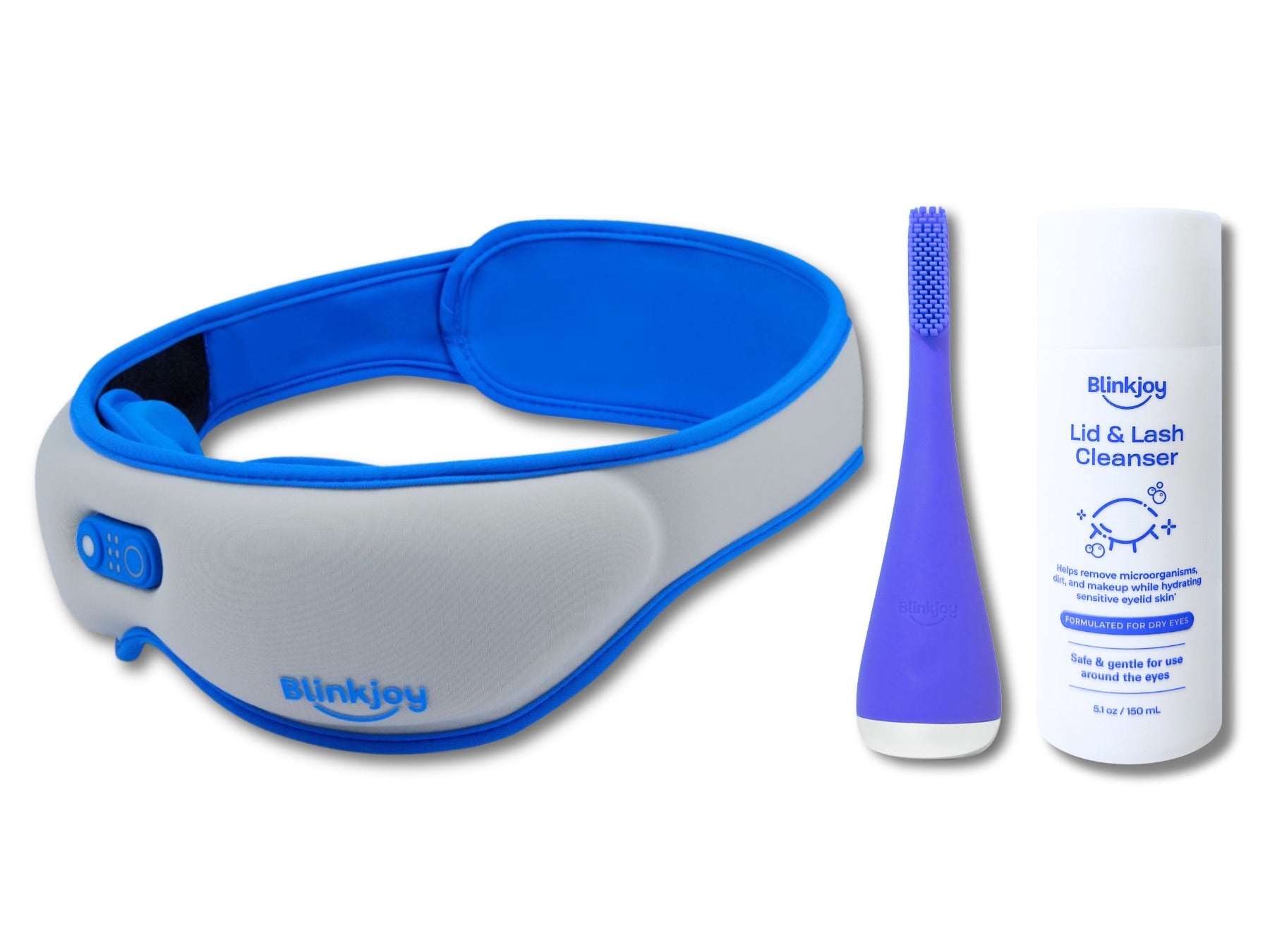
Applying a heat mask once daily
-
Using lubricating eye drops as recommended
-
Taking regular breaks during prolonged screen use
-
Maintaining good overall hydration
These simple habits address some of the most common contributors to dry eye symptoms without requiring a major lifestyle overhaul.
Remember: a routine you complete every day is usually better than a long list of treatments that you only follow occasionally.
Pair Dry Eye Treatments with Existing Habits
One of the easiest ways to improve consistency is to attach new habits to things you already do.
For example:
-
Use your heat mask while drinking your morning coffee or while relaxing before bed.
-
Instill eye drops after brushing your teeth.
-
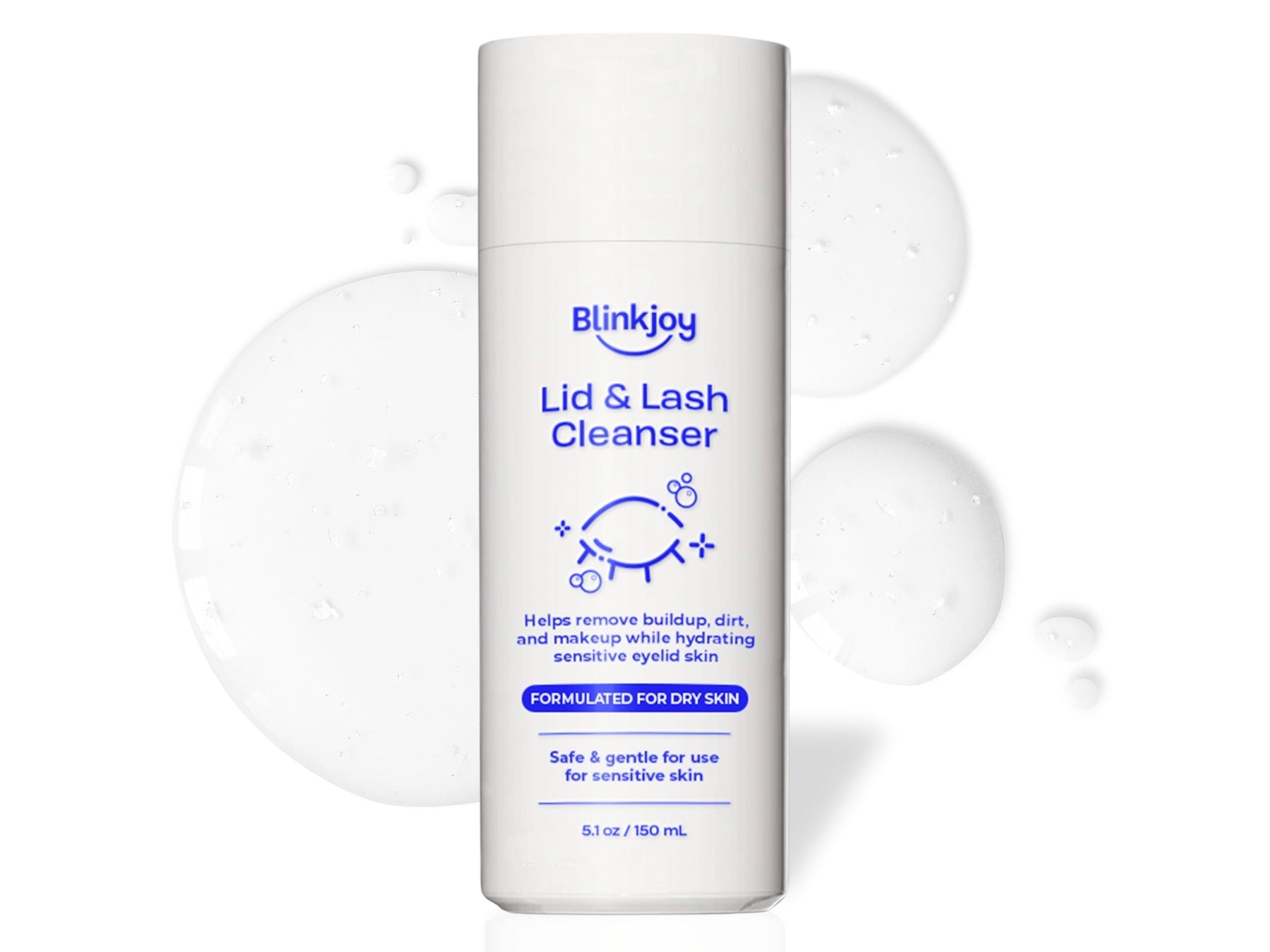
Perform eyelid hygiene as part of your morning and/or evening skincare routine.
-
Set an alarm or reminders to look away from screens throughout your workday.
By linking dry eye treatments to established habits, they become part of your normal routine rather than another task on your to-do list.
Keep Your Supplies Visible
Out of sight often means out of mind.
Consider keeping your dry eye supplies in places where you'll see them regularly:
-
Heat mask beside your bed
-
Drops near your workstation or next to your toothbrush
-
Eyelid hygiene products in the bathroom
Visual reminders can help reinforce healthy habits and make it easier to stay consistent.
Don't Feel Like You Need to Do Everything at Once
Many patients feel discouraged when they can't follow every recommendation perfectly. If you're just getting started, focus on one or two key habits first. Once those become routine, additional treatments can be added if needed.
Building sustainable habits gradually is often more successful than trying to change everything overnight.
Screen Time: The Challenge Many Patients Overlook
Modern lifestyles place significant demands on our eyes.
When using computers, tablets, or smartphones, we tend to blink less frequently and less completely. This can contribute to tear film instability and worsen dry eye symptoms.
Simple strategies that may help include:
-
Look 20 feet away for 20 seconds every 20 minutes (the 20-20-20 rule)
-
Consciously blinking fully during screen use
-
Adjusting screen height slightly below eye level
-
Taking short visual breaks throughout the day
Even small adjustments can have a meaningful impact, especially for people who spend many hours on digital devices.
Adjust Your Routine as Your Needs Change
Dry eye symptoms can fluctuate throughout the year. Factors such as seasonal allergies, indoor heating, air conditioning, travel, illness, and increased screen time may all affect how your eyes feel. Your routine doesn't need to remain exactly identical every day. Some patients may benefit from increasing artificial tear use during symptom flare-ups or being more diligent with heat mask therapy during certain periods. The key is maintaining a foundation of healthy habits while making reasonable adjustments when needed.
When a Simple Routine Isn't Enough
While many patients find relief with a basic dry eye routine, some cases require additional/more advanced intervention. Dry eye disease is multifactorial, meaning there may be several underlying causes contributing to symptoms. Treatments such as prescription eye drops, in-office procedures, or targeted therapies may be recommended depending on your specific diagnosis. If your symptoms persist despite consistent at-home care, it may be time to discuss additional options with your optometrist.
Conclusion
The most effective dry eye routine is one that fits realistically into your daily life. Start with a few simple habits, focus on consistency rather than perfection, and build from there. Small actions performed regularly can make a meaningful difference in managing dry eye symptoms and better support long-term ocular health.
References:
- Marshall, L. L., & Roach, J. M. (2016). Treatment of dry eye disease. The Consultant Pharmacist®, 31(2), 96-106.
- Messmer, E. M. (2015). The pathophysiology, diagnosis, and treatment of dry eye disease. Deutsches Ärzteblatt International, 112(5), 71.
- Hakim, F. E., & Farooq, A. V. (2022). Dry eye disease: an update in 2022. Jama, 327(5), 478-479.
Contributors:

Sarah Farrag, OD
Dr. Sarah Farrag is originally from Halifax, Nova Scotia, where she currently practices optometry. She graduated with honors from the University of Waterloo Doctor of Optometry program in June of 2015. In addition to routine optometric care, Dr. Farrag also facilitates an advanced dry eye clinic offering specialty consultation and treatment for severe dry eye.