
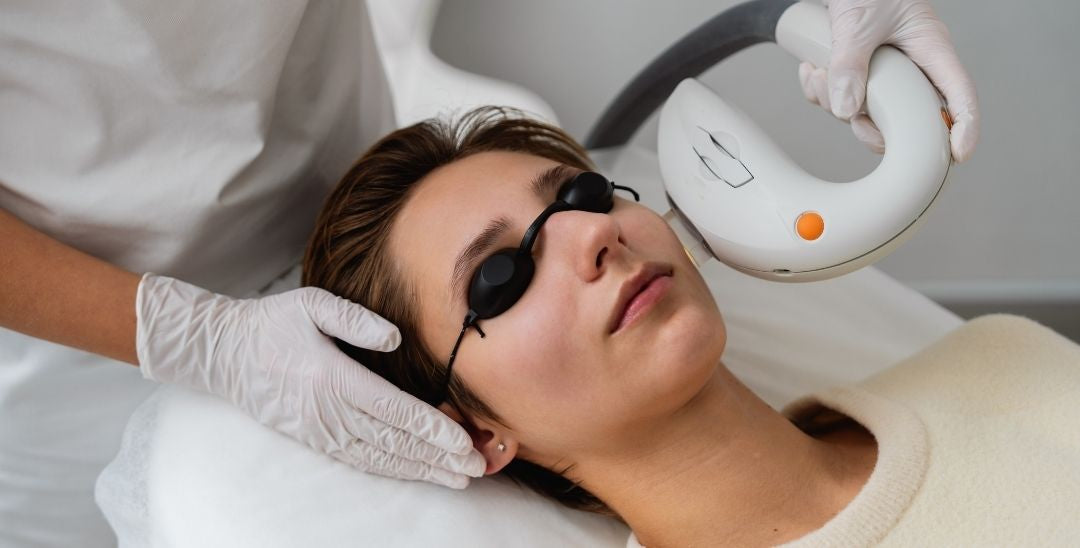
At-Home Dry Eye Care vs. In-Office Treatments: What’s the Difference?
Learn the difference between at-home dry eye care and professional in-office treatments, including IPL, warm compresses, and personalized dry eye therapy.
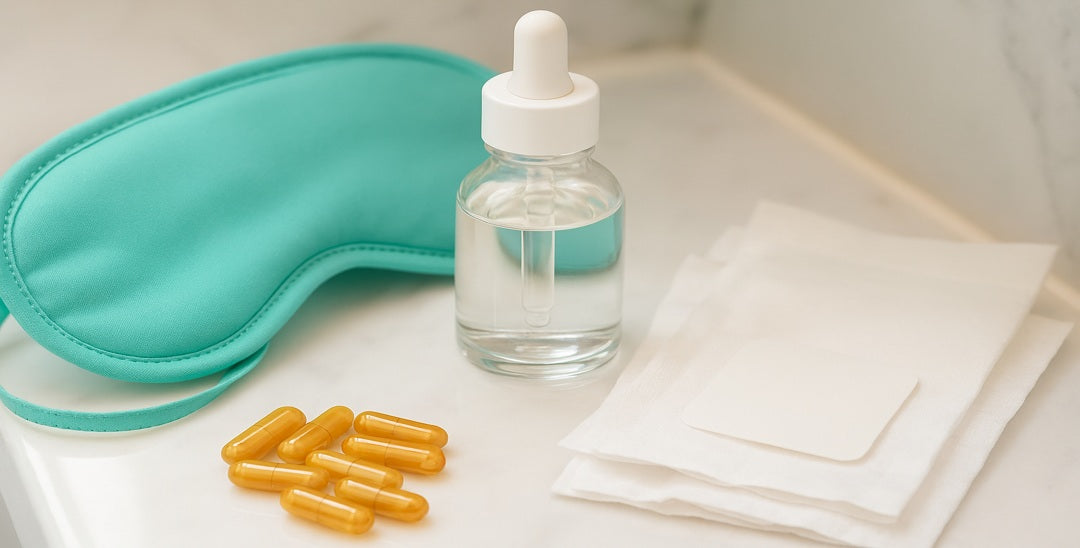
Building a Simple Dry Eye Routine You’ll Actually Stick To
Learn how to create a simple, effective dry eye routine that fits your lifestyle and helps relieve symptoms through consistent daily habits.

The Benefits of Using a Heat Mask: Can it Prevent Dry Eye From Getting Worse?
Learn how regular use of heat masks can help treat chronic dry eye and meibomian gland dysfunction, as well as improve long-term eye comfort.

Can Dry Eye Be Reversed - or Only Managed?
Can dry eye be reversed? Learn how dry eye disease and meibomian gland dysfunction develop, when symptoms can improve, and how treatment helps control dry eye long term.
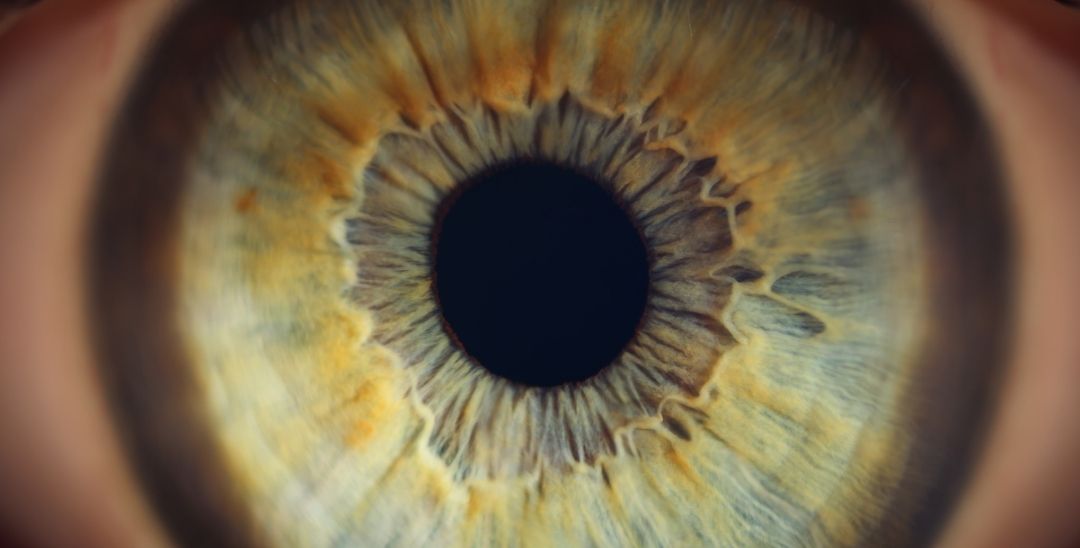
Signs Your Meibomian Glands Are Blocked (and What to Do at Home)
Meibomian gland dysfunction (MGD) is a leading cause of dry eye disease, causing irritation, blurry vision, and discomfort. Learn the key signs of blocked oil glands and discover effective at-home treatments to improve tear quality, relieve dry eye symptoms, and support long-term eye health with simple, optometrist-recommended strategies.
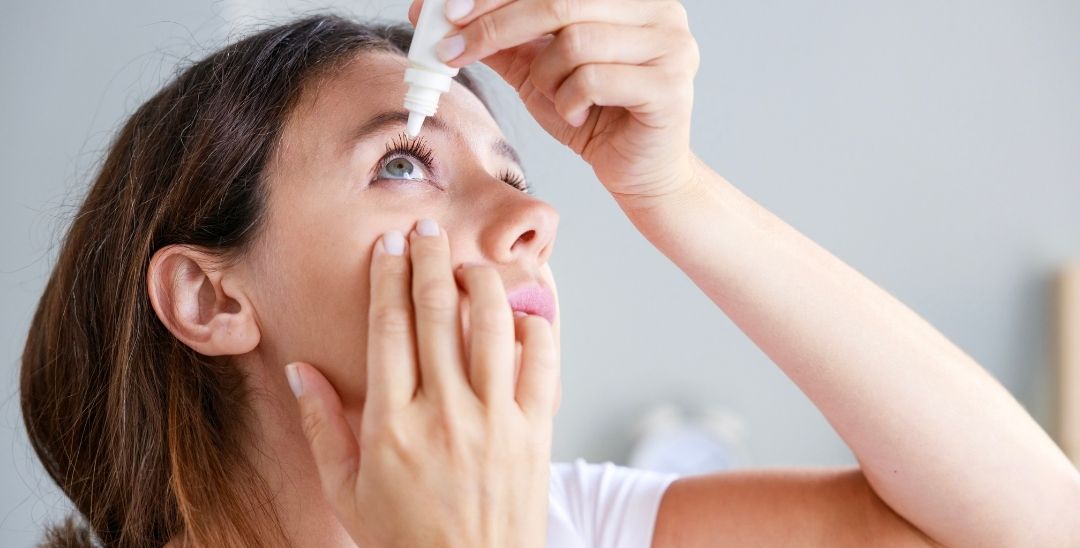
Why Lubricating Drops Alone Aren’t Enough for Dry Eye (And What Actually Works)
Artificial tears provide temporary relief for dry eye disease but don’t address underlying causes like meibomian gland dysfunction, inflammation, or tear film instability. Ongoing symptoms often need a more complete dry eye treatmentapproach, including targeted therapies that improve tear quality and help maintain comfortable, consistent vision.