
Eyelash extensions have become a beauty staple for those seeking fuller, longer lashes without applying mascara daily. But if you suffer from dry eye disease, or even mild eye irritation, you may want to think twice before booking your next lash appointment. Here’s what you need to know about the connection between eyelash extensions and dry eye—and how to protect your eye health.
How Can Eyelash Extensions Worsen Dry Eye?
While eyelash extensions are generally safe when applied by a trained professional, they can contribute to dry eye in several ways, even if you haven't "officially" been diagnosed with dry eye disease:
1. Adhesive Related Irritation
Most lash adhesives contain harsh ingredients like cyanoacrylate and/or formaldehyde. These ingredients are known to cause allergic reactions and inflammation. This means the adhesive can irritate the eye area and disrupt the tear film, leading to dryness and worsened inflammation (2). Patients with chronic dry eye already have a low-grade level of inflammation on the eye's surface; anything that could worsen this also has the potential to make them even more symptomatic. There are also reports of the adhesive glues or even lash removal chemicals invading the eye area and causing keratoconjunctivitis (irritation of the cornea and conjunctiva) (4).
2. Meibomian Gland Blockage
Extensions placed too close to the lash line can block the meibomian glands, which produce oil (crucial to prevent tear evaporation). Gland blockage can contribute to meibomian gland dysfunction (MGD) which is a major cause of dry eye.
3. Increased Airflow and Debris
Longer lashes create a “fan effect,” increasing airflow across the eye's surface and accelerating tear evaporation. They can also trap dust and bacteria in the area, raising the risk of blepharitis (eyelid inflammation) and infection (3). Many patients with lash extensions actively avoid cleansing the eyelid and eyelash area thoroughly due to worry that their lashes will fall off. Proper cleansing of the eyelid and lash area to reduce bacteria or debris accumulation is essential to avoid chronic lash extension-related eyelid inflammation.
4. Reduced Blink Rate
The added weight of extensions may cause you to blink differently, which means tears aren’t spread evenly across the eye as often, also worsening dryness. This can be further exacerbated if you are a heavy screen user, contributing to digital eye strain.
5. Other Ocular Health Risks
Eyelash extension application can also cause permanent lash loss (5) or lash misdirection (trichiasis) due to follicle damage or even eyelid trauma (2). Trichiasis is a very uncomfortable chronic eye problem that requires constant removal of misdirected lashes either by an eye care professional every few months, or by freeze treating (cryotherapy) the follicle permanently, or surgically. Lash extensions also carry a risk of corneal trauma with application - this can cause a painful, recurring erosion of the corneal tissue and potentially even affect your vision (long-term).
Signs Your Extensions Could be Affecting Your Eyes
Here are some warning signs to look out for:
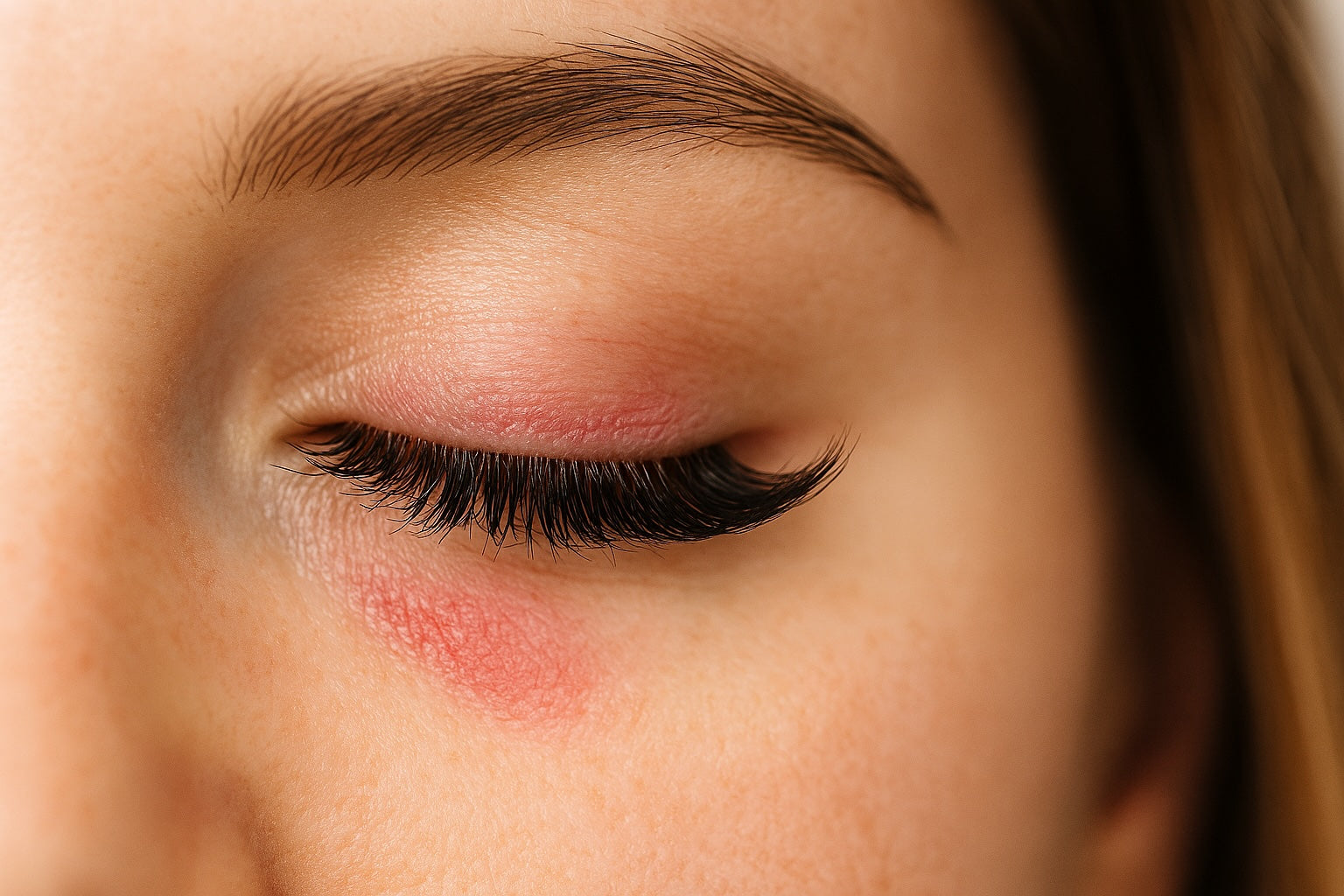
- Persistent eyelid redness or irritation
- Persistent eye watering
- Burning or gritty sensation
- Eyelid swelling or crusting on lashes/lids
- Light sensitivity
If symptoms persist, consult your optometrist or ophthalmologist promptly.
Tips to Minimize Dry Eye Risk with Eyelash Extensions
If you love your lashes but want to protect your eyes, follow these expert tips:
- Choose a qualified technician: Ensure they use high-quality, medical-grade adhesive, proper technique for application and maintain strict hygiene standards.
- Ask about the adhesive. Check for those harsh ingredients beforehand and ask for alternatives if you needed.
- Avoid extensions if you have active, symptomatic dry eye: For the best success with extensions, treat the dryness first before considering other cosmetic procedures.
- Practice good eyelid hygiene: Clean your lash line daily with a lash-safe cleanser to prevent debris buildup and bacterial growth.
- Use lubricating eye drops: These help maintain moisture and soothe the ocular surface.
- Schedule breaks: Give your eyes time to recover between lash appointments.
- Consult your eye care professional: Especially if you have a history of dry eye, blepharitis, or ocular allergies.
Bottom Line
Eyelash extensions can look great, but they’re not risk-free—especially if you struggle with dry eye. Understanding the potential impact and taking preventive steps can help you enjoy your lashes without compromising your eye health. As always, if you continue to experience discomfort even with the use of the tips in this post, consult with your eye care provider for more guidance.
References:
- Yazdani, M., Elgstøen, K. B. P., & Utheim, T. P. (2022). Eye make-up products and dry eye disease: a mini review. Current Eye Research, 47(1), 1-11.
- Mukamal, R., Taylor, R. (2018). Eyelash Extension Facts and Safety. American Academy of Ophthalmology.
- Grupcheva, C. N., Grupchev, D. I., Usheva, N., & Grupcheva, L. O. (2024). Beauty versus Health—How Eyelash Extensions May Affect Dry Eye Disease?. Journal of Clinical Medicine, 13(11), 3101.
- Amano, Y., Sugimoto, Y., & Sugita, M. (2012). Ocular disorders due to eyelash extensions. Cornea, 31(2), 121-125.
- Pangestu, E., Ernawati, T., & Anggowarsito, J. L. (2023). USE OF EYELASH EXTENSION AND ITS EFFECTS ON THE ANTERIOR OCULAR SEGMENT. JOURNAL OF WIDYA MEDIKA JUNIOR, 5(2), 69-74.
Contributors:

Sarah Farrag, OD
Dr. Sarah Farrag is originally from Halifax, Nova Scotia, and is happy to be practicing optometry in her hometown. She graduated with honors from the University of Waterloo Doctor of Optometry program in June 2015. In addition to routine optometric care, Dr. Farrag also facilitates an advanced dry eye clinic offering specialty consultation and treatment for severe dry eye.