

At-Home Dry Eye Care vs. In-Office Treatments: What’s the Difference?
Learn the difference between at-home dry eye care and professional in-office treatments, including IPL, warm compresses, and personalized dry eye therapy.

Building a Simple Dry Eye Routine You’ll Actually Stick To
Learn how to create a simple, effective dry eye routine that fits your lifestyle and helps relieve symptoms through consistent daily habits.

How to Use a Heated Eye Mask - Why Consistency Matters with Heat Therapy
Learn how to use a heated eye mask for dry eye relief and why consistent warm compress therapy is essential for treating meibomian gland dysfunction (MGD).
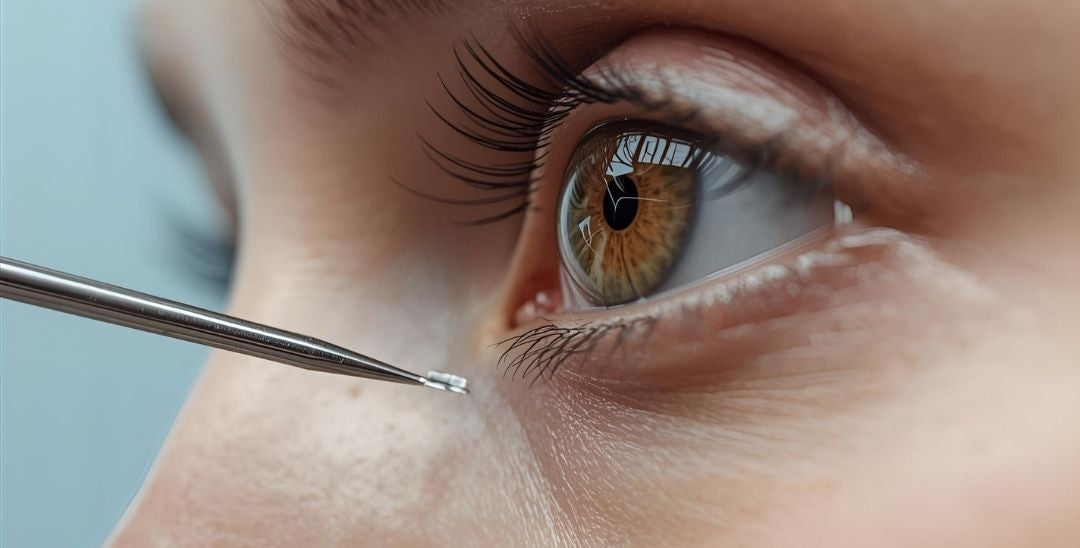
Punctal Plugs for Dry Eye: Pros, Cons & Controversy
Punctal plugs are tiny devices that block tear ducts to relieve moderate to severe dry eye. This quick, non-surgical treatment helps retain natural tears and improve comfort, though risks include excess tearing, inflammation, or plug loss. Learn when punctal plugs are most effective and whether they’re right for your dry eye symptoms.
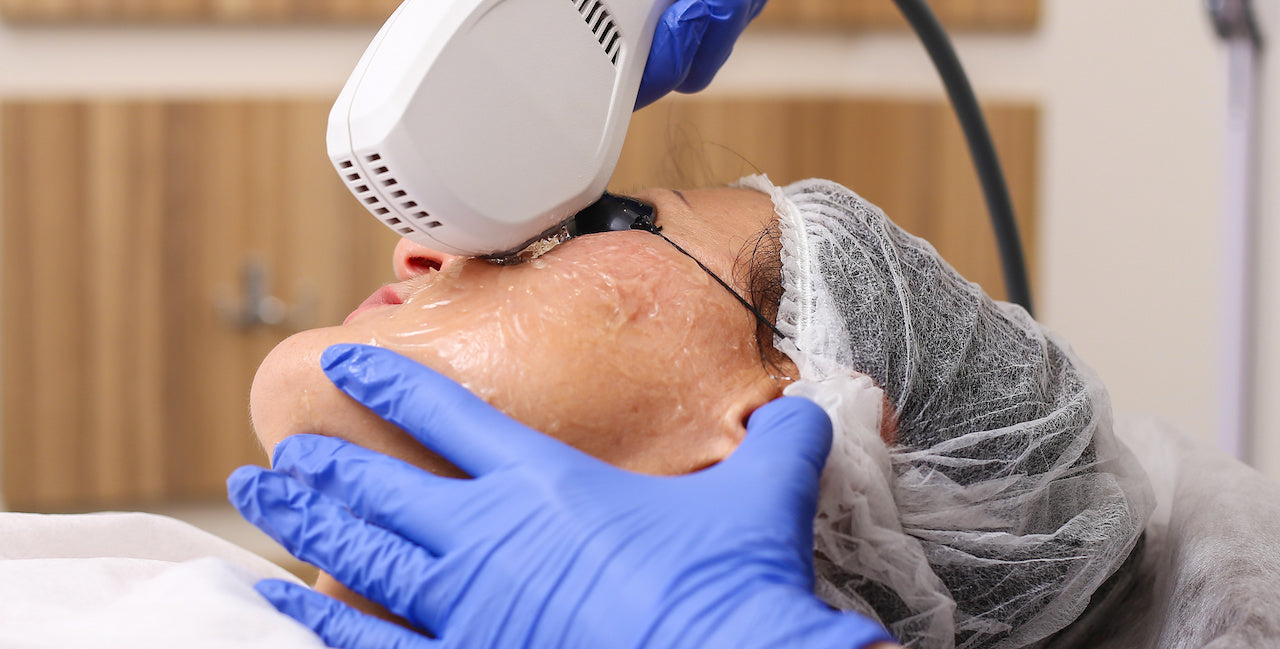
How IPL can benefit patients with dry eye disease

A Treatment Guide for MGD and Dry Eye