

For many patients with dry eye disease, warm compress therapy is one of the simplest and most effective management strategies available. Despite how commonly it is recommended, many people are unsure how to use a heated eye mask properly—or why consistency matters so much.
If you have been advised to use heat therapy for dry eye disease or meibomian gland dysfunction (MGD), understanding the correct technique and sticking to a routine can make a significant difference in your results.
Why Heat Therapy Helps Dry Eye
Many cases of dry eye are caused by meibomian gland dysfunction (MGD). The meibomian glands are tiny oil-producing glands located within the upper and lower eyelids. They produce the lipid (oil) layer of the tear film, which helps prevent tears from evaporating too quickly.
When these glands become blocked or their oil becomes thickened, the tear film becomes unstable and evaporates faster. This is one of the most common causes of dry eye disease. It leads to symptoms such as:
-
Burning or stinging eyes
-
Fluctuating or blurry vision
-
Redness
-
Grittiness or foreign body sensation
-
Eye fatigue
Heat therapy works by warming as well as softening the oil inside the glands, allowing it to flow more easily. This can improve the quality of the tear film and reduce dry eye symptoms.
How to Use a Heated Eye Mask Properly
Using a heated eye mask correctly is essential to getting therapeutic benefit.
1. Heat the mask according to the instructions
Most microwaveable masks require 20–30 seconds in the microwave, but this varies by product. Always follow the manufacturer's instructions to avoid overheating. The skin around your eyes is very thin and delicate - overheating the mask could risk a burn to the area.
The mask should feel comfortably warm, not hot. Your heated eye mask should come to a temperature of around 40°C (1).
2. Apply the mask to closed eyelids
Lie down or sit comfortably and place the mask over your closed eyes. Make sure it rests gently across the eyelids and upper cheeks and avoid too much pressure on the closed eyes.
3. Keep the mask on for 10 minutes
For the heat to penetrate the eyelids and reach the meibum (oil) within the glands, it needs to be applied for about 10 minutes (2) at a sustained temperature as listed above of 40°C. Shorter treatments (for example, using a face cloth with warm water) are not shown to be effective as they cool down much too quickly. A heated eye mask is a much more effective way to sustain the proper temperature on the eyelids.
4. Follow with gentle eyelid massage (if recommended)
After removing the mask, some patients may be advised to perform gentle lid massage to help express the softened oils from the glands (3).
Your eye care provider can demonstrate the proper technique if this is part of your treatment plan. Be sure to inquire about this as there are certain patients who may be advised against the massage for other ocular health reasons.
Why Consistency Matters
One of the biggest mistakes patients make with heat therapy is using it only occasionally or when symptoms flare up.
Meibomian gland dysfunction and dry eye disease are chronic conditions, which means the glands can become blocked again if treatment stops.
Regular heat therapy helps to:
-
Maintain oil flow from the glands
-
Prevent gland blockage
-
Improve tear film stability
-
Reduce symptom flare-ups
Think of dry eye management and heat compress therapy like brushing your teeth—it works best when it is part of your daily routine (4).
How Often Should You Use a Heated Eye Mask?
Your eye care provider may tailor recommendations based on your condition, but common guidelines for meibomian gland dysfunction management are:
-
Daily use for moderate to severe MGD
-
Once or twice daily during flare-ups
Consistency of heat compress use over weeks and months is what helps maintain meibomian gland function.
If you suffer from rosacea (or ocular rosacea) and have a rosacea flare-up, it would be best to inquire with your optometrist. Some patients with rosacea or other inflammatory skin conditions may be advised against heat compress use depending on their clinical picture.
Common Mistakes to Avoid
Even patients who use heated masks regularly may not be getting the full therapeutic benefit if their technique is incorrect.
Common issues include:
-
Not heating the mask enough
-
Removing the mask too quickly or interrupting the 10-minute treatment time
-
Skipping treatments when symptoms improve
-
Applying heat only occasionally
- Not replacing their heat compress as recommended
Establishing a predictable daily routine greatly improves treatment effectiveness and provides the best relief of dry eye symptoms.
Heat Therapy Is Often Part of a Larger Treatment Plan
While warm compress therapy can be very helpful, many patients benefit from combining it with other dry eye treatments, such as:
-
Preservative-free artificial tears
-
Eyelid hygiene products
-
Prescription dry eye drops or prescription anti-inflammatory drops
-
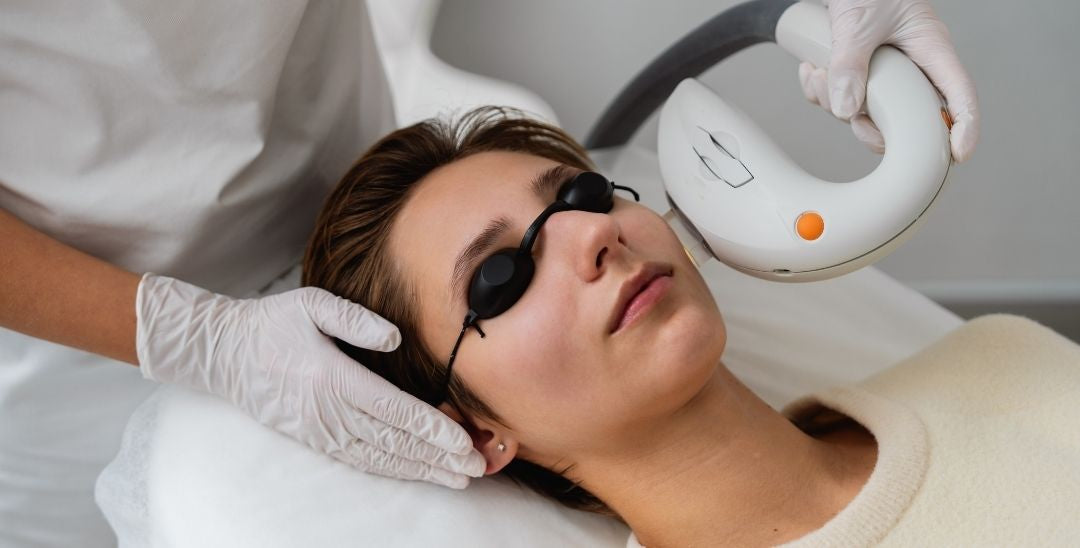
In-office treatments such as thermal pulsation or IPL
- Fatty acid supplement (omega-3)
A comprehensive approach helps address the underlying causes of dry eye disease.
Conclusions
Heated eye masks are a simple, safe, accessible and effective way to support healthy tear film. However, they work best when used correctly and consistently.
If you have been advised to use heat therapy, committing to a regular routine can significantly improve ocular comfort and help to keep your dry eye symptoms under control.
If you are unsure whether heat therapy is right for you, speak with your eye care provider for more personalized guidance.
References:
- Borchman, D. (2019). The optimum temperature for the heat therapy for meibomian gland dysfunction. The ocular surface, 17(2), 360-364.
- Lee, G. (2024). Evidence-based strategies for warm compress therapy in meibomian gland dysfunction. Ophthalmology and Therapy, 13(9), 2481-2493.
- Han, D., Kim, H., Kim, S., Park, Y., & Cho, K. J. (2021). Comparative study on the effect of hyperthermic massage and mechanical squeezing in the patients with mild and severe meibomian gland dysfunction: An interventional case series. PLoS One, 16(3), e0247365.
- Wang, M. T., Jaitley, Z., Lord, S. M., & Craig, J. P. (2015). Comparison of self-applied heat therapy for meibomian gland dysfunction. Optometry and Vision Science, 92(9), e321-e326.
Contributors:

Sarah Farrag, OD
Dr. Sarah Farrag is originally from Halifax, Nova Scotia, and is happy to be practicing optometry in her hometown. She graduated with honors from the University of Waterloo Doctor of Optometry program in June 2015. In addition to routine optometric care, Dr. Farrag also facilitates an advanced dry eye clinic offering specialty consultation and treatment for severe dry eye.