

Dry eye disease is one of the most common findings in an eye care clinic. Typical symptoms of dry eye disease are burning, eye irritation, fluctuating vision, watery eyes, redness, and sensitivity to light. All of these symptoms can significantly interfere with daily life. For most patients, symptoms tend to gradually worsen over time - especially if the underlying cause is not addressed.
One of the most widely recommended at-home treatments for dry eye is a heat mask. But can using a heat mask actually prevent dry eye from getting worse?
The short answer: in many cases, yes — especially when dry eye is related to meibomian gland dysfunction (MGD). Consistent heat mask use can improve oil flow in the eyelids, support tear film stability, reduce inflammation, and help protect the health of the meibomian glands over time.
In this article, we’ll explain how heat masks work to help dry eye symptoms and share some tips on getting the best therapeutic benefit from them.
What Is a Heat Mask?
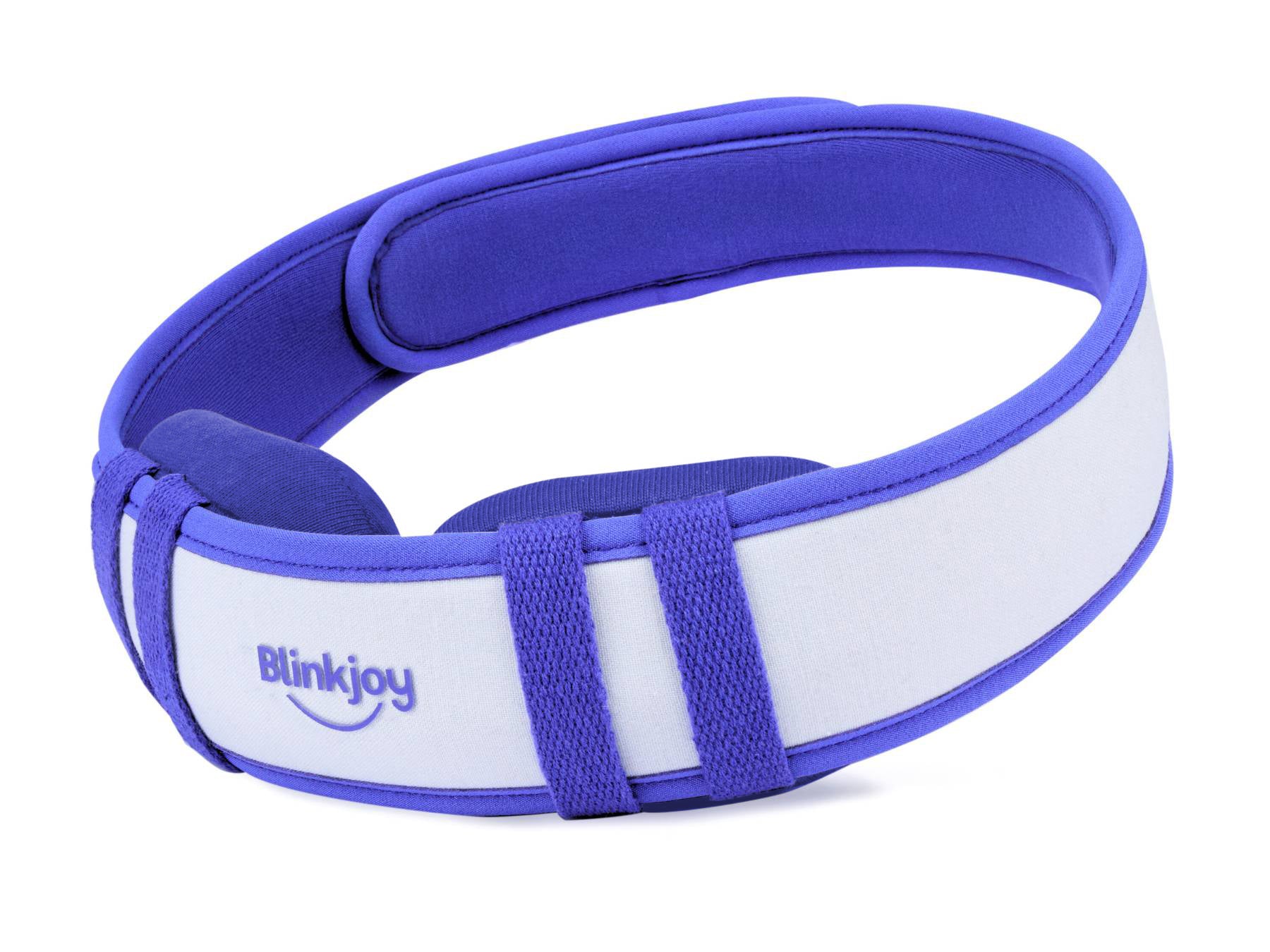
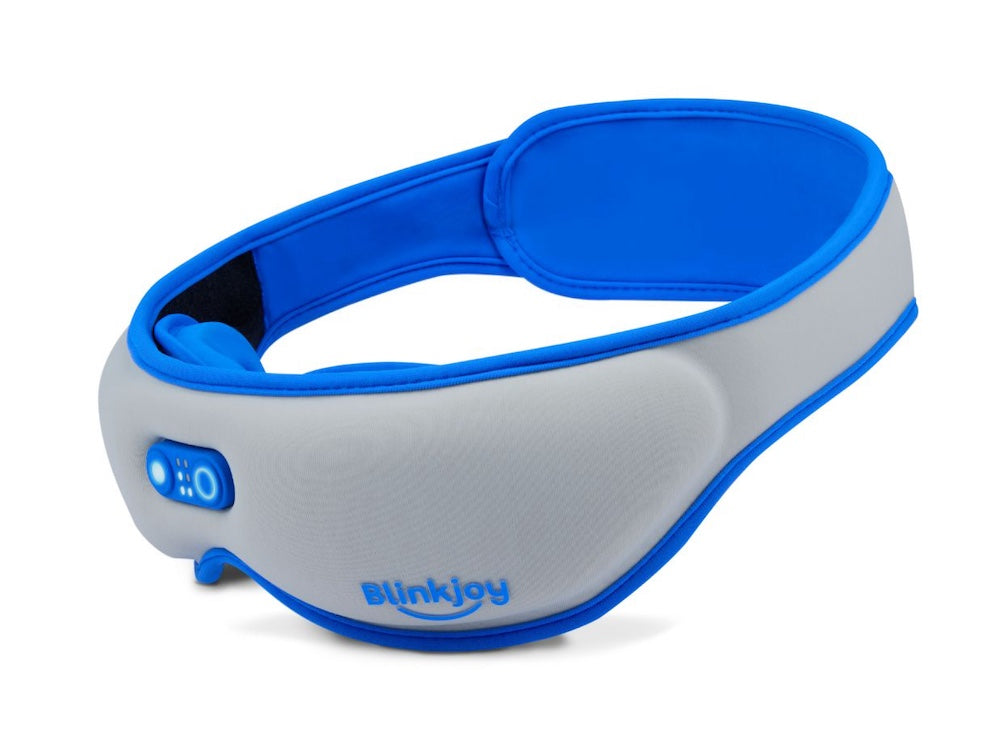
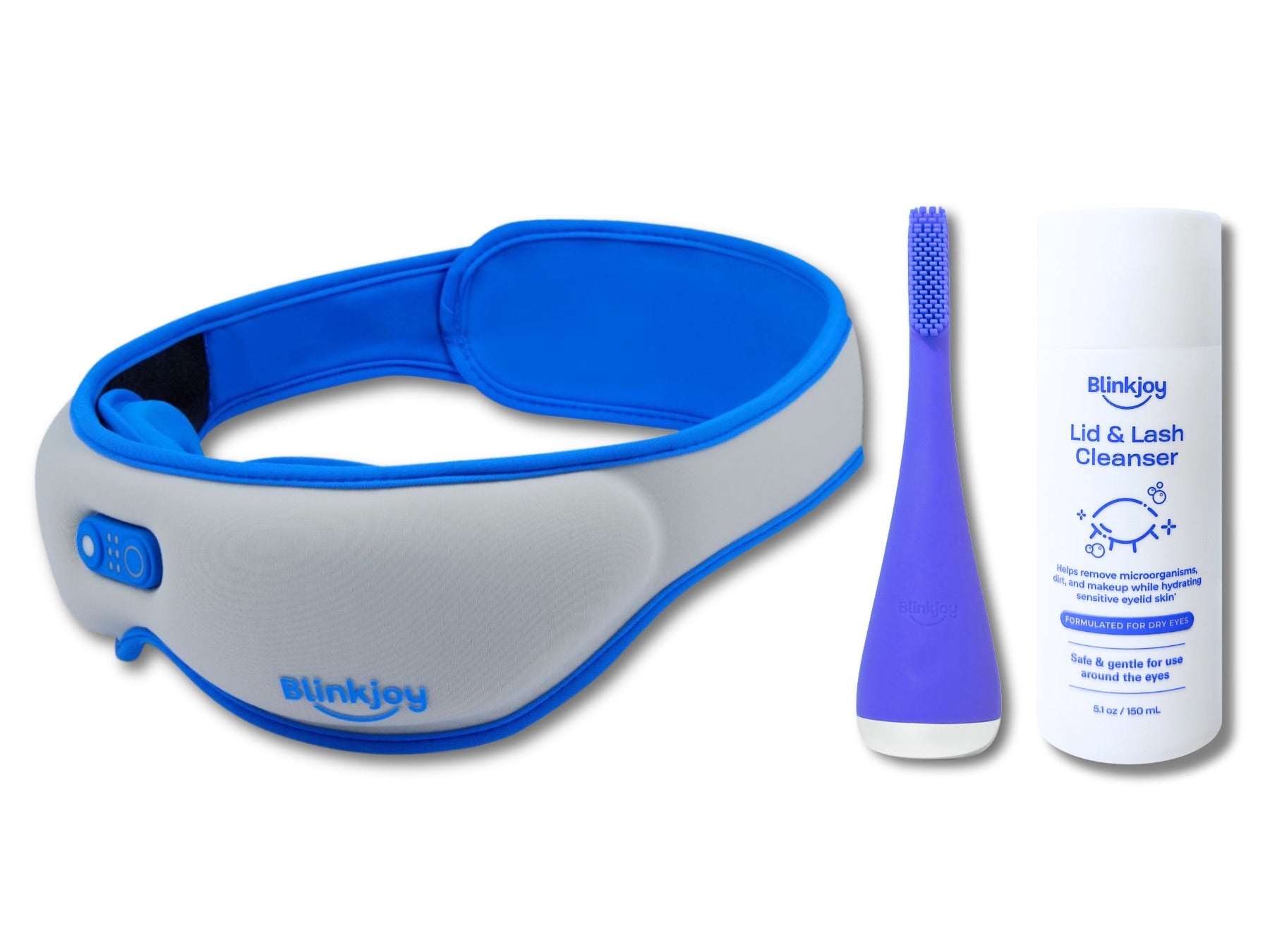
A heat mask (sometimes called a warm compress) is a reusable eye mask designed to deliver gentle, consistent heat to the eyelids.
Most heat masks are microwavable and contain materials that retain warmth for several minutes. Some electric versions maintain a controlled temperature throughout treatment.
The purpose of a heat mask is to warm the meibomian glands — tiny oil-producing glands located along the eyelid margins. These glands produce the oily layer of the tear film, which helps prevent tears from evaporating too quickly. When the glands become blocked or the oil becomes thickened, tears evaporate more rapidly, leading to evaporative dry eye disease.
Understanding Meibomian Gland Dysfunction (MGD)
Meibomian gland dysfunction is one of the leading causes of dry eye disease.
In MGD:
-
The meibomian glands become clogged
-
Oil secretions become thickened (decreased quality and quantity of secretions)
-
Tear evaporation increases
-
Inflammation develops along the eyelid margins and ocular surface
-
The tear film becomes unstable
Over time, untreated MGD can lead to gland dropout (where glands stop functioning permanently). This is why early treatment matters.
Many people assume dry eye is simply caused by “not enough tears,” but in reality, tear quality is often the bigger issue.
A healthy tear film requires:
-
A watery layer (aqueous)
-
An oil layer (lipid)
-
A mucin layer (mucous)
Without enough healthy oil, tears evaporate too quickly — even if other components of tear production are normal.
How a Heat Mask Helps in Dry Eye Disease
1. Melts Thickened Oils in the Meibomian Glands
The primary benefit of a heat mask is that it softens thickened oils trapped inside the meibomian glands. Healthy meibum (oil) should have a smooth, olive oil-like consistency. In MGD, it can become thick, toothpaste-like, or waxy. Applying controlled heat helps liquify these secretions so they can flow better. This improves the quality of the tear film and reduces evaporation.
2. Improves Tear Film Stability
When the oil layer improves and becomes more stable, tears stay on the eye longer.
This can reduce:
-
Burning
-
Stinging
-
Fluctuating vision
-
Reflex tearing
-
Foreign body sensation
-
Eye fatigue
Patients often notice their eyes feel more comfortable throughout the day when heat mask use becomes consistent.
3. Supports Long-Term Meibomian Gland Health
One of the biggest concerns with chronic dry eye is progressive gland damage. Blocked glands can eventually become shortened, scarred, or lost altogether. Since meibomian glands do not regenerate well once they are significantly damaged, preserving gland function is extremely important. Regular heat mask use may help reduce chronic obstruction and support healthier gland function over time. This is one reason many eye care professionals recommend heat masks not just for symptom relief, but also as part of a long-term dry eye management plan.
4. Reduces Eyelid Inflammation
Inflammation and dry eye often feed into each other. Poor oil flow can increase inflammation along the eyelid margins, which further disrupts gland function. By improving oil secretion and eyelid hygiene, heat masks may help calm part of this inflammatory cycle. Some patients also combine heat mask therapy with lid hygiene products or prescribed dry eye treatments for additional support. Ask your optometrist if this might be a good idea for you.
5. Helps Screen-Related Dry Eye (Digital Eye Strain)
Digital device use is strongly associated with dry eye symptoms.
When we stare at screens:
- Blink rates decrease
- Blinks become incomplete
- Oil glands are not adequately expressed
- Tear evaporation increases
This can worsen MGD over time. Using a heat mask regularly may help counteract some of the effects of prolonged screen use by improving gland function and tear film stability.
Can a Heat Mask Prevent Dry Eye From Getting Worse?
For many patients with evaporative dry eye or meibomian gland dysfunction (MGD), consistent heat mask use can help slow disease progression. However, it is important to understand that a heat mask is typically just one component of a broader dry eye treatment strategy. Dry eye disease is multifactorial, meaning that multiple contributing factors may play a role in its development and progression. As a result, heat mask therapy is most effective when it targets an underlying cause that contributes to the patient's symptoms. In general, the earlier dry eye disease is identified and treated, the greater the likelihood of preserving meibomian gland function over the long term.
How Often Should You Use a Heat Mask?
This varies depending on the severity of dry eye and your eye care provider’s recommendations. However, a common starting recommendation is 10 minutes once daily before bed. Consistency matters more than intensity. Using a heat mask occasionally may provide temporary relief, but regular use is typically needed for long-term improvement. Some patients benefit from maintenance use several times per week after symptoms stabilize.
Tips for Using a Heat Mask Properly
To get the most benefit:
1. Use the Correct Temperature
The mask should feel comfortably warm — not hot. Excessive heat can irritate or even burn the delicate eyelid area. Meibum melts well in the range of 38-42°C.
2. Follow Heating Instructions Carefully
Overheating a microwaveable mask can damage the mask or increase the risk of burns. Always follow the manufacturer’s instructions.
3. Apply Heat Long Enough
Brief warming may not adequately soften thickened oils. This is one main reason that a reusable heat mask Is recommended over simply using a hot towel. Most studies suggest sustained warmth for around ten minutes.
4. Consider Gentle Lid Massage Afterwards
Some clinicians recommend gentle lid massage after heating to help express softened oils. However, aggressive pressure should be avoided.
5. Keep the Mask Clean
Heat masks sit directly against the eyelids and skin. Cleaning according to manufacturer instructions helps reduce buildup of oils, bacteria, and debris.
When a Heat Mask Alone May Not Be Enough
Although heat masks are extremely helpful for many patients, moderate to severe dry eye often requires additional treatment. Depending on the cause, your eye care provider may recommend:
- Artificial tears
- Prescription eye drops
- Lid hygiene products
- Omega-3 supplementation
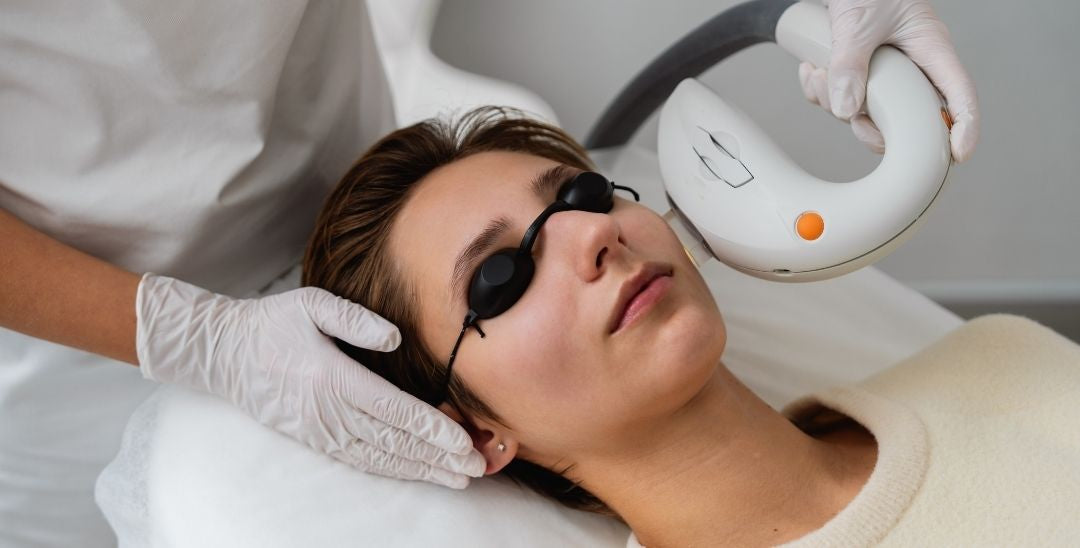
- In-office meibomian gland treatments
- Punctal plugs
- Environmental modifications
- Blink training
- Treatment for blepharitis
Persistent symptoms should always be evaluated professionally, especially if vision fluctuates significantly or symptoms worsen.
Final Thoughts
Heat masks are one of the simplest and most effective at-home treatments for evaporative dry eye and meibomian gland dysfunction. By improving oil flow, stabilizing the tear film, and supporting healthier gland function, regular heat mask use may help reduce symptoms and slow progression of dry eye disease over time. While heat masks are not a cure for dry eye disease, they can play an important role in protecting the ocular surface and maintaining long-term comfort. If your eyes frequently feel dry, irritated, watery, or fatigued — especially during screen use — a comprehensive eye exam or dry eye assessment can help determine whether meibomian gland dysfunction is contributing to your symptoms and whether heat mask therapy is appropriate for you.
References:
- Lam, P. Y., Shih, K. C., Fong, P. Y., Chan, T. C. Y., Ng, A. L. K., Jhanji, V., & Tong, L. (2020). A review on evidence-based treatments for meibomian gland dysfunction. Eye & Contact Lens, 46(1), 3-16.
- Arita, R., & Fukuoka, S. (2020). Non‐pharmaceutical treatment options for meibomian gland dysfunction. Clinical and Experimental Optometry, 103(6), 742-755.
- Lee, G. (2024). Evidence-based strategies for warm compress therapy in meibomian gland dysfunction. Ophthalmology and Therapy, 13(9), 2481-2493.
- Lee, H., Kim, M., Park, S. Y., Kim, E. K., Seo, K. Y., & Kim, T. I. (2017). Mechanical meibomian gland squeezing combined with eyelid scrubs and warm compresses for the treatment of meibomian gland dysfunction. Clinical and Experimental Optometry, 100(6), 598-602.
- Borchman, D. (2019). The optimum temperature for the heat therapy for meibomian gland dysfunction. The ocular surface, 17(2), 360-364.
Contributors:

Sarah Farrag, OD
Dr. Sarah Farrag is originally from Halifax, Nova Scotia, and is happy to be practicing optometry in her hometown. She graduated with honors from the University of Waterloo Doctor of Optometry program in June 2015. In addition to routine optometric care, Dr. Farrag also facilitates an advanced dry eye clinic offering specialty consultation and treatment for severe dry eye.