
Dry, burning, gritty, or watery eyes can make everyday activities significantly uncomfortable. If you're relying on at-home care and still experiencing a lot of symptoms, you may be wondering whether it's time to seek more advanced treatment.
The truth is that at-home dry eye care and in-office dry eye treatments serve different purposes. While home care helps manage symptoms and support eye health, in-office therapies can be a bit more aggressive and help to better target the underlying causes of your dry eye disease, especially in more advanced cases.
Understanding the difference can help you choose the most effective treatment plan for more lasting relief.
What Is Dry Eye Disease?
Dry eye disease is a complex condition that occurs when your eyes either don't produce enough tears, or, when your tears evaporate too quickly from the surface of your eye. In most cases, it is combination of these two which ultimately causes poor tear quality. The majority of patients with dry eye disease also have dysfunction of the oil-producing meibomian glands along the eyelids which then results in a chronic state of eye inflammation.
Common symptoms include:
- Dryness
- Burning & stinging
- Grittiness or the sensation of sand in the eyes
- Fluctuating vision
- Excessive tearing
- Redness
- Light sensitivity
- Contact lens discomfort or intolerance
Since dry eye is a chronic condition, treatment requires ongoing management rather than a one-time solution.
What Can You Do at Home for Dry Eye?
For many people with mild symptoms, a consistent at-home care routine can provide significant relief:
1. Lubricating Drops
Lubricating eye drops temporarily replace moisture and reduce irritation. For more frequent use, preservative-free artificial tears are generally recommended (especially if you're using your drops more than four times per day).
2. Warm Compresses
Applying a warm compress to the eyelids helps soften thickened oils that may be blocking the meibomian glands. Consistency matters more than intensity—daily treatment for 10 uninterrupted minutes is generally more effective than occasional use.
3. Eyelid Hygiene
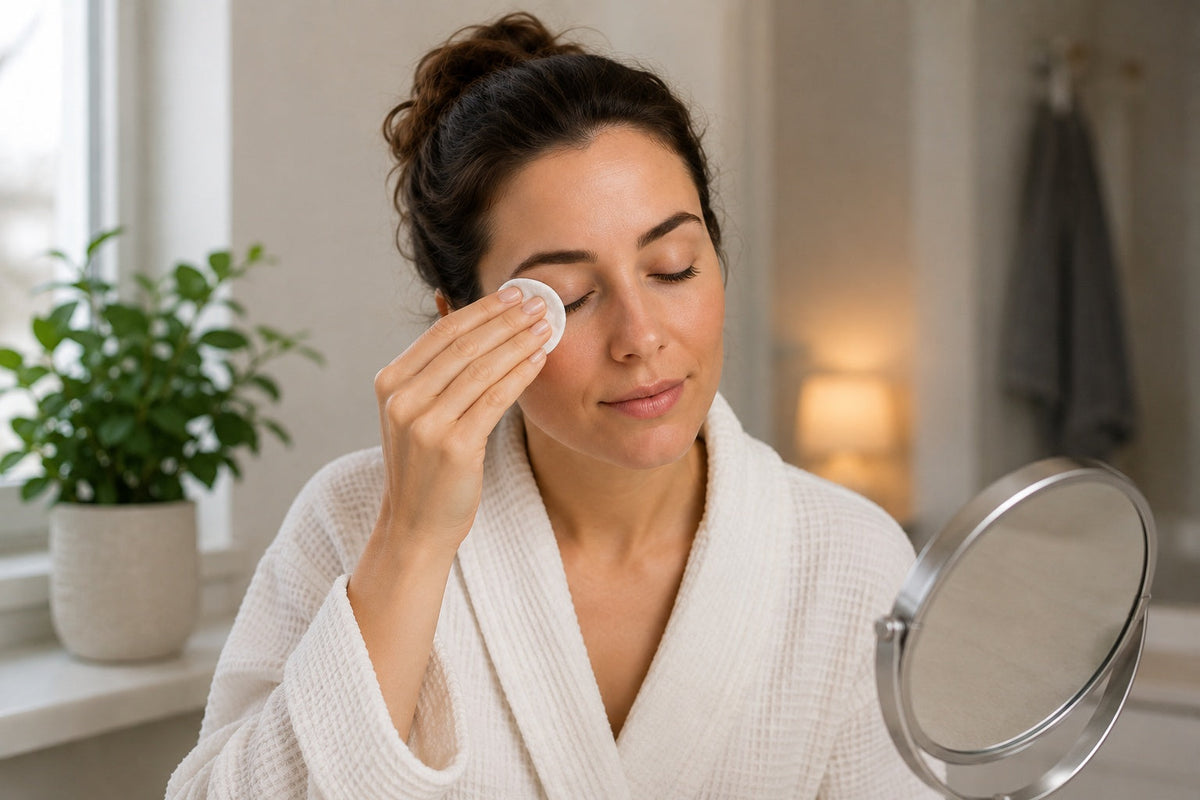
Cleaning the eyelid margins removes debris, bacteria, and excess oil that can contribute to inflammation and gland blockage. Lid cleansers, eyelid wipes, eyelid scrubs and antimicrobial sprays could all be good choices to manage mild debris buildup at home. Ask your eye doctor if you aren't sure which one might be ideal for you.
4. Environmental Changes
Small lifestyle adjustments can make a surprisingly large difference:
-
Blink more frequently and take more breaks during screen use
- Use a humidifier
- Avoid direct airflow from fans or vents
- Stay well-hydrated
- Wear wraparound sunglasses when outdoors
5. Omega-3 Fatty Acids
Many patients benefit from omega-3 supplementation. DHA and EPA form omega-3 is recommended under the newest guidelines for dry eye management. Your eye care provider can help determine whether supplements are appropriate for your individual situation and which formulation may be best-suited in your specific case.
The Limitations of At-Home Dry Eye Care
While some form of ongoing at-home dry eye care is crucial for patients with dry eye disease, some patients will have more severe cases and still need further intervention. Patients who are undergoing these more advanced therapies are all still recommended to continue their at-home dry eye management. In-office treatments or advanced therapies are not curative, but may be required to provide these patients with a more significant reduction in symptoms.
What Happens During an In-Office Dry Eye Assessment?
Routine eye exams can pick up dry eye, but a dry eye assessment can give your eye care provider an even more detailed clinical picture. Your optometrist may evaluate: Tear quantity, tear quality, meibomian gland function, meibomian gland atrophy/dropout, eyelid inflammation and type, presence of ocular surface damage, time for tear evaporation/breakup, contributing medical conditions or medications, presence of ocular surface inflammation. This allows treatment to be personalized instead of relying on trial and error.
In-Office Dry Eye Treatments
Depending on the cause(s) and severity of your dry eye disease, several advanced treatments may be recommended.
IPL (Intense Pulsed Light)
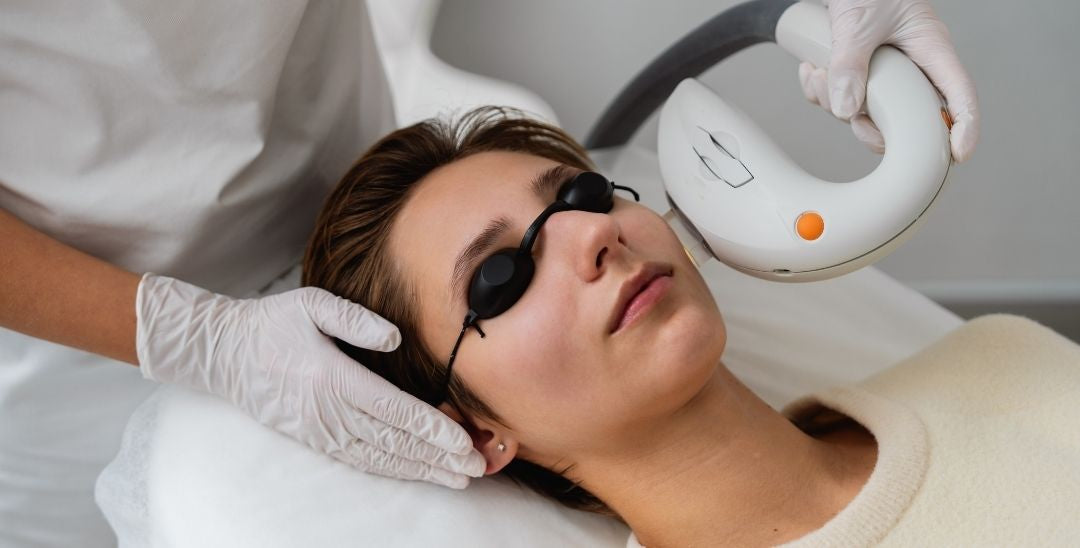
IPL uses carefully controlled pulses of light around the eyelids to reduce inflammation, improve meibomian gland function, and decrease abnormal blood vessels associated with chronic dry eye. This treatment is especially effective for patients with rosacea (or ocular rosacea), meibomian gland dysfunction (MGD) and evaporative dry eye. There are very few adverse effects associated with IPL. Many patients notice improvement over a series of three to four treatments.
Radiofrequency (RF)
Radiofrequency therapy gently heats the eyelids while stimulating collagen production and improving meibomian gland function. RF may improve meibomian gland expression/secretions, support a more stable tear film and possible even enhance eyelid function. RF is often combined with IPL for optimal results.
Meibomian Gland Expression
After warming the glands, your eye care provider may gently express blocked oils from the meibomian glands. This procedure helps restore healthier oil flow into the tear film, reducing tear evaporation. Many practitioners will perform gland expression directly after in-office treatments like IPL or RF.
LipiFlow® Thermal Pulsation
For patients with meibomian gland dysfunction (MGD), LipiFlow® is an in-office treatment designed to address one of the most common underlying causes of evaporative dry eye. The device applies controlled heat to the inner eyelids while simultaneously delivering gentle pulsating pressure to the outer lids, helping to liquefy and express blocked oils from the meibomian glands. By restoring the flow of healthy oils into the tear film, LipiFlow® can improve tear stability and reduce symptoms such as burning, irritation, fluctuating vision, and contact lens discomfort. While many patients experience improvement after a single treatment, results can vary.
Low-Level Light Therapy (LLLT)
Low-Level Light Therapy (LLLT), also known as photobiomodulation, is a gentle, non-invasive treatment that uses specific wavelengths of light applied to the eyelid area to help reduce inflammation and support healthier meibomian gland function. Unlike IPL, LLLT does not generate significant heat or light pulses, making it a comfortable option for many patients, including those who may not be suitable candidates for IPL. LLLT is often used as part of a comprehensive dry eye treatment plan and may be combined with other therapies, such as IPL or gland expression, to enhance outcomes. While research on LLLT continues to grow, early studies suggest it may improve symptoms and tear film stability in selected patients with dry eye disease.
Punctal Plugs
If tear production is insufficient, tiny plugs may be placed into the tear drainage openings to help retain tears on the surface of the eye for a longer time. These plugs can be temporary (dissolve after a certain time period) or permanent.
Punctal Cautery
A similar concept to punctal plugs, punctal cautery is a surgical option where the tear drainage openings are surgically fused closed.
Amniotic Membrane Treatments
Amniotic membranes are very thin films that are made from amniotic fluid. Amniotic fluid is extremely concentrated with proteins called growth factors which have very strong regenerative and healing properties. These films may be used to heal unresponsive corneal wounds or persistent corneal dryness that is not responding to conventional dry eye therapy.
Prescription Medications
Some patients require prescription eye drops or oral medications to reduce inflammation and improve natural tear production. These treatments generally target the inflammatory cycle that worsens chronic dry eye disease. There is a widespread list of possible medications that could be recommended depending on the cause and severity of your dry eye.
Why Combining Home Care and Professional Treatment Works Best
Think of professional treatment as resetting the system and home care as maintaining the results. For example:
- IPL reduces inflammation.
- Meibomian gland expression clears blocked glands.
- Warm compresses help keep the glands functioning after becoming unplugged.
- Artificial tears support the tear film and maintain a lower level of eye inflammation.
- Good eyelid hygiene helps prevent inflammatory flare-ups.
Patients who continue their home routine after in-office treatment often experience longer-lasting improvement.
When Should You See an Eye Care Professional?
Consider booking a dry eye assessment if at-home therapies no longer provide adequate relief, or if your symptoms start to interfere with work or daily life. Early treatment may help preserve meibomian gland function and prevent dry eye from becoming more difficult to manage over time.
Conclusion
Home remedies play an important role in managing dry eye, but they aren't always enough to fully manage the underlying condition. A comprehensive dry eye assessment can identify the root cause of your symptoms and determine whether advanced in-office treatments such as IPL, RF, or meibomian gland expression may help. Even with advanced therapies, ongoing at-home dry eye and eyelid care remains important for maintaining gland function and results over time. A personalized treatment plan can help you achieve and maintain healthier, more comfortable vision.
References:
- Rouen, P. A., & White, M. L. (2018). Dry Eye Disease: Prevalence, Assessment, and Management. Home Healthcare Now, 36(2), 74–83.
- Lee, G. Evidence-Based Strategies for Warm Compress Therapy in Meibomian Gland Dysfunction. Ophthalmol Ther 13, 2481–2493 (2024).
- Zhou, X., Shen, Y., Shang, J. et al. Effects of warm compress on tear film, blink pattern and Meibomian gland function in dry eyes after corneal refractive surgery. BMC Ophthalmol 21, 330 (2021).
- Wang, M.T.M., Chan, E., Ea, L., Kam, C., Lu, Y., Misra, S.L. and Craig, J.P. (2017), Randomized Trial of Desktop Humidifier for Dry Eye Relief in Computer Users. Optom Vis Sci, 94: 1052-1057 10.1097/OPX.0000000000001019.
- Chen, K. Y., Chan, H. C., & Chan, C. M. (2025). How effective and safe are punctal plugs in treating dry eye disease? A systematic review and meta-analysis. Contact Lens and Anterior Eye, 102438.
- Hu, J., Zhu, S., & Liu, X. (2022). Efficacy and safety of a vectored thermal pulsation system (Lipiflow®) in the treatment of meibomian gland dysfunction: a systematic review and meta-analysis. Graefe's Archive for Clinical and Experimental Ophthalmology, 260(1), 25-39.
Contributors:

Sarah Farrag, OD
Dr. Sarah Farrag is originally from Halifax, Nova Scotia, and is happy to be practicing optometry in her hometown. She graduated with honors from the University of Waterloo Doctor of Optometry program in June 2015. In addition to routine optometric care, Dr. Farrag also facilitates an advanced dry eye clinic offering specialty consultation and treatment for severe dry eye.