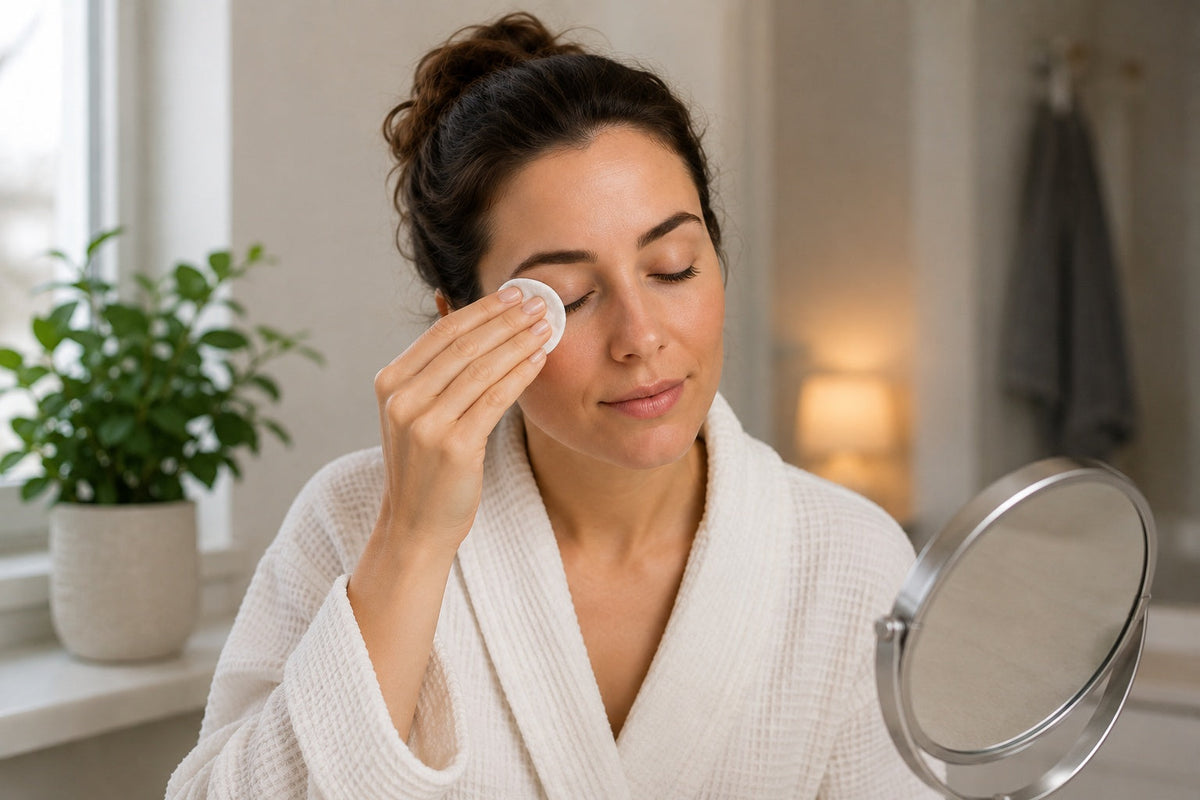


If you've been diagnosed with dry eye disease, blepharitis, or meibomian gland dysfunction (MGD), your eye care provider may have recommended some sort of daily eyelid hygiene protocol. But when you visit the pharmacy or browse online, you'll find a growing number of products—foams, wipes, sprays, gels, and cleansers—all claiming to reduce blepharitis and improve eye comfort.
So, which one should you choose?
The answer depends on your symptoms, skin sensitivity, lifestyle, and the underlying cause of your eye discomfort and diagnosis. Understanding the pros and cons of each type of eyelid cleanser can help you build a routine that keeps your eyes healthy and comfortable.
Why Is Eyelid Hygiene So Important?
Your eyelids contain tiny oil-producing glands called meibomian glands, which secrete oils that prevent your tears from evaporating too quickly. When these glands become blocked or inflamed, the tear film becomes unstable, leading to irritation, blurred vision, and chronic dry eye symptoms.
The eyelid margins can also accumulate:
- Bacteria
- Oil and debris
- Makeup residue
- Dead skin cells
- Demodex mites
Maintaining eyelid hygiene helps reduce inflammation, maintain healthy gland function, and optimize the effectiveness of other dry eye treatments.
Eyelid Cleansing Foams
Foam cleansers are liquid products that create a gentle lather and are typically massaged into the eyelid margins before being rinsed or wiped away.
Benefits:
- Cleans the entire eyelid and lash line thoroughly
- Effective at removing oil, debris, and makeup residue
- Good option for blepharitis
- Often available in preservative-free formulations
- Many different formulations
Eyelid cleansing foams are best for patients with oily eyelids, chronic blepharitis, meibomian gland dysfunction and for patients who wear makeup regularly. Foam cleansers generally take a little longer to use than wipes or sprays, making them ideal for a more thorough evening routine.
Eyelid Cleansing Wipes
Pre-moistened eyelid wipes are one of the most convenient ways to clean the eyelids. They come individually wrapped or in resealable packages and are designed for gentle cleansing without requiring additional products.
Benefits:
- Quick and easy to use
- Convenient for travel
- Minimal preparation required
- Helpful for daily maintenance
Eyelid wipes will be ideal for patients with busier schedules, children or older adults, for post procedural eyelid hygiene optimization when recommended or for patients who simply prefer a quicker routine with less effort. Some wipes do contain heavier preservatives or fragrances that may irritate sensitive skin. If you have very sensitive eyes, ask your eye care provider which products they recommend.
Eyelid Cleansing Sprays
Eyelid sprays are typically applied to closed eyelids or sprayed onto a cotton pad before gently cleaning the lashes and lid margins. Many contain hypochlorous acid (HOCl), a naturally occurring substance with antimicrobial and anti-inflammatory properties.
Benefits:
- Gentle on sensitive skin
- Helps to reduce bacteria on the eyelids
- May help to calm inflammation
- Quick to apply
- Doesn't require scrubbing/quicker treatment
Eyelid sprays will be ideal for patients with sensitive or inflammatory skin conditions, milder blepharitis, contact lens wearers, patients recovering from procedures (when recommended) or for a gentler daily maintenance in between more intensive cleaning. Sprays are excellent for reducing bacteria and inflammation but may not remove heavy accumulation of oils, crusting, bacteria or makeup as effectively as foams or wipes.
What About Demodex Blepharitis?
If your eye discomfort is caused by Demodex mites, traditional cleansers alone may not be enough. Signs of Demodex include:
- Itchy eyelids
- Red eyelid margins
- Cylindrical dandruff around the eyelashes
- Recurrent styes
- Persistent blepharitis despite ongoing treatment
A comprehensive eye examination can identify if you have Demodex blepharitis. Your eye care provider may recommend products containing tea tree oil or terpinen-4-ol, or prescribe newer treatments specifically designed to target Demodex mites.
Which Eyelid Cleanser Is Best?
There isn't a single "best" cleanser for everyone. The most effective cleanser is often simply the one you'll use consistently.
| Your Situation | Best Choice |
|---|---|
| Heavy oil buildup or makeup | Foam cleanser |
| Quick daily maintenance | Wipes |
| Sensitive skin or inflammation | Hypochlorous acid spray |
| Blepharitis | Foam or medicated wipes |
| Meibomian gland dysfunction | Foam plus warm compresses |
| Post-treatment maintenance |
Spray or wipes (as recommended) |
Remember Warm Compresses!
Eyelid cleansers remove bacteria and debris from the surface of the eyelids, but they don't unblock the meibomian glands themselves.
For many patients, the ideal routine includes:
- Warm compress
- Gentle eyelid massage (if recommended)
- Eyelid cleanser
- Artificial tears, if needed
This combination helps improve both eyelid health and tear film stability.
Tips for Getting the Most Out of Your Eyelid Hygiene Routine
- If you were recommended an eyelid hygiene protocol, clean your eyelids daily.
- Remove eye makeup thoroughly before bed.
- Wash your hands before touching your eyes.
- Replace eye makeup regularly to reduce bacterial contamination.
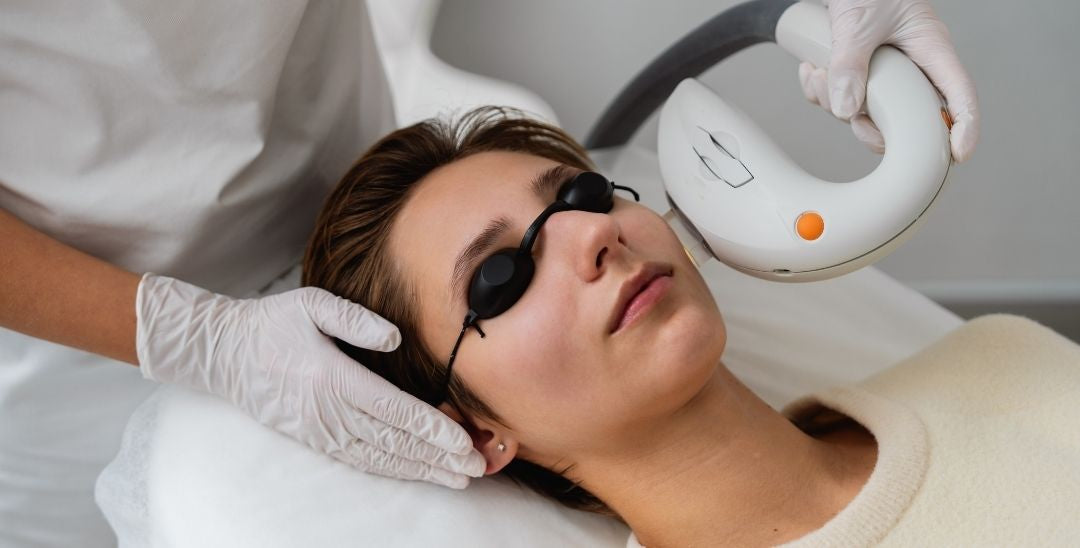
- Follow your eye care provider's recommendations, especially after procedures like IPL or LipiFlow®.
Consistency is more important than using multiple products. A simple routine you can maintain every day is often the most effective.
Healthy Eyelids Are the Foundation of Healthy Tears
When it comes to dry eye disease, small daily habits can make a big difference. Whether you choose a foam, wipe, or spray, regular eyelid cleansing helps reduce inflammation, support healthy meibomian glands, and improve the quality of your tear film.
If you're unsure if you should be using products for eyelid hygiene and which eyelid cleanser is right for you—or if your symptoms continue despite a consistent home routine—a comprehensive eye exam with your optometrist can identify the underlying cause and help create a personalized treatment plan to best suit your needs.
References:
- Messaoud, R., El Fekih, L., Mahmoud, A., Ben Amor, H., Bannour, R., Doan, S., & Khairallah, M. (2019). Improvement in ocular symptoms and signs in patients with Demodex anterior blepharitis using a novel terpinen-4-ol (2.5%) and hyaluronic acid (0.2%) cleansing wipe. Clinical Ophthalmology, 1043-1054.
- Mencucci, R., Morelli, A., Favuzza, E., Galano, A., Roszkowska, A. M., & Cennamo, M. (2023). Hypochlorous acid hygiene solution in patients affected by blepharitis: a prospective randomised study. BMJ Open Ophthalmology, 8(1), e001209.
- Jacobi, C., Doan, S., Pavel, V., Chiambaretta, F., & Kärcher, T. (2022). Different approach to manage demodex blepharitis–initial and maintenance treatment. Current Eye Research, 47(3), 352-360.
- Sung, J., Wang, M. T., Lee, S. H., Cheung, I. M., Ismail, S., Sherwin, T., & Craig, J. P. (2018). Randomized double-masked trial of eyelid cleansing treatments for blepharitis. The Ocular Surface, 16(1), 77-83.
Contributors:

Sarah Farrag, OD
Dr. Sarah Farrag is originally from Halifax, Nova Scotia, and is happy to be practicing optometry in her hometown. She graduated with honors from the University of Waterloo Doctor of Optometry program in June 2015. In addition to routine optometric care, Dr. Farrag also facilitates an advanced dry eye clinic offering specialty consultation and treatment for severe dry eye.