

Education
Your Guide to Healthy, Happy Eyes
Signs Your Meibomian Glands Are Blocked (and What to Do at Home)
Meibomian gland dysfunction (MGD) is a leading cause of dry eye disease, causing irritation, blurry vision, and discomfort. Learn the key signs of blocked oil glands and discover effective at-home treatments to improve tear quality, relieve dry eye symptoms, and support long-term eye health with simple, optometrist-recommended strategies.
Why Lubricating Drops Alone Aren’t Enough for Dry Eye (And What Actually Works)
Artificial tears provide temporary relief for dry eye disease but don’t address underlying causes like meibomian gland dysfunction, inflammation, or tear film instability. Ongoing symptoms often need a more complete dry eye treatmentapproach, including targeted therapies that improve tear quality and help maintain comfortable, consistent vision.

Cold Weather and Dry Eye: How to Protect Your Eyes in the Winter
Cold winter air and indoor heating can worsen dry eye symptoms. Learn about how winter triggers dry eye and discover simple tips to protect your eyes and maintain comfort all season.

How to Use a Heated Eye Mask - Why Consistency Matters with Heat Therapy
Learn how to use a heated eye mask for dry eye relief and why consistent warm compress therapy is essential for treating meibomian gland dysfunction (MGD).
Common Myths About Dry Eye — Debunked
Dry eye disease is often misunderstood, leading to delayed diagnosis and ineffective treatment. From excessive tearing to screen use, many common beliefs about dry eye are myths. Learn the facts behind dry eye symptoms, causes, and treatments to support better eye health and long-term comfort.
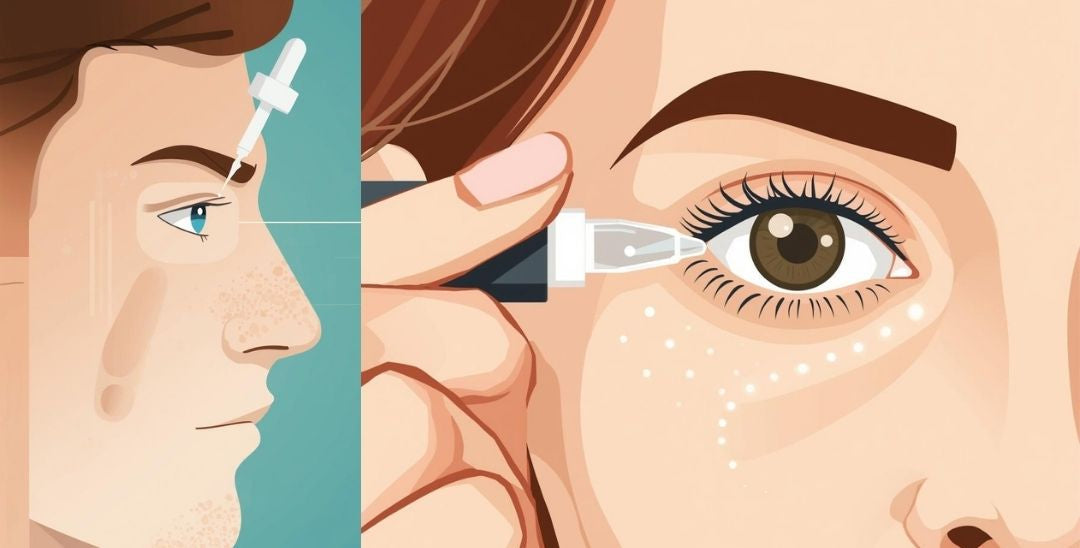
Dry Eye in Men vs. Women — Why Hormones Matter for Eye Health
Dry eye disease affects millions, and hormones play a key role in how symptoms develop and progress. Learn how hormonal changes in men and women influence tear production, inflammation, and eye comfort—and why understanding hormone-related dry eye is essential for effective, personalized treatment.