
Your meibomian glands play a vital role in keeping your eyes healthy and your vision comfortable. Located in both the upper and lower eyelids, these tiny glands produce the essential oil layer of your tear film. This protective layer helps prevent tears from evaporating too quickly, keeping your eyes properly lubricated with every blink.
When these glands become blocked or dysfunctional—a condition known as meibomian gland dysfunction (MGD), a leading cause of dry eye disease—it can lead to chronic dry eye, ocular irritation, and even fluctuating vision. The good news is that early signs of MGD are often easy to recognize, and there are effective at-home strategies for dry eye and MGD that may help to improve related symptoms as well as increase tear quality.
What Are the Meibomian Glands?
The meibomian glands are located along the upper and lower eyelids. Each blink causes a small amount of oil (meibum) to be released onto the surface of the eye. This oil layer is what stabilizes the tear film and promotes clear, stable vision.
When the glands are healthy, tears remain smooth, evenly distributed and are slower to evaporate. When they become blocked or inflamed, the oil layer becomes insufficient, leading to rapid tear evaporation and evaporative dry eye disease.
Signs Your Meibomian Glands May Be Blocked
1. Dry Eyes That Feel Worse Toward the End of the Day
Dry eye symptoms often start off mild in the morning but worsen throughout the day, especially with screen use, reading, or air-conditioned environments.
2. Burning, Stinging, or Gritty Sensation
A common sign of MGD-related dry eye is a persistent foreign body sensation or “sand in the eyes” feeling.
3. Fluctuating or Blurry Vision
Vision may temporarily improve after blinking, and then become blurry again as the tear film becomes unstable and breaks down in between blinks.
4. Watery Eyes (Yes, Really)
Blocked glands can paradoxically cause excessive eye watering due to poor tear quality and reflex tearing.
5. Red or Irritated Eyelid Margins
Inflammation along the eyelash line may indicate chronic MGD or blepharitis (eyelid inflammation).
6. Crusting or Flaking on the Eyelids
Debris at the base of the eyelashes is often associated with oil gland blockage, eyelid inflammation and bacterial overgrowth.
What Causes Meibomian Gland Blockage?
Several factors can contribute to blocked meibomian glands, including:
- Chronic eyelid inflammation (blepharitis)
- Prolonged screen use and reduced blinking
- Contact lens wear
- Hormonal changes
- Skin conditions such as rosacea
- Aging
- Environmental dryness or air conditioning
- Medication use
What You Can Do at Home
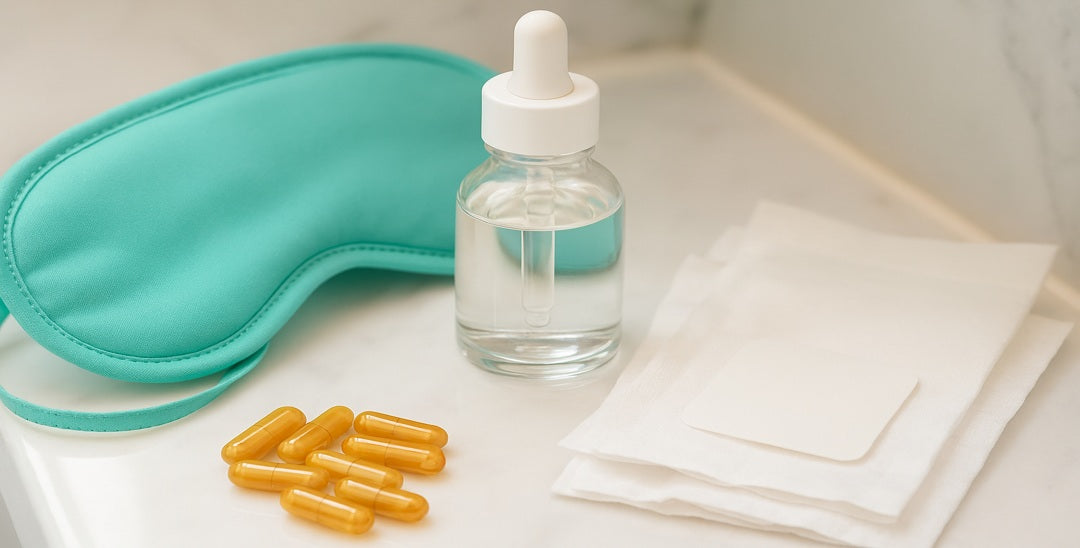
While moderate or severe MGD may require professional treatment, milder cases often respond well to consistent at-home care. Here are some simple, optometrist-recommended steps you can take to improve MGD and dry eye symptoms at home:
1. Warm Compresses
Applying gentle heat to the eyelids helps soften thickened meibum and unclog the glands. This can improve oil flow and reduce blockages when done regularly.
2. Lid Massage (After Warm Compress)
Lightly massaging the eyelids toward the lash line can help express trapped oil. This should always be done gently to avoid irritation.
3. Lid Hygiene
Cleaning the eyelid margins with a gentle lid cleanser or eyelid hygiene wipe can reduce debris, bacteria, mites (Demodex) and related inflammation or gland blockage.
4. Blink Exercises
During screen time, people tend to blink less often and less fully. Making a conscious effort to blink completely and regularly can help maintain tear film stability and reduce dry eye symptoms. Taking a 20-second break from the screen every 20 minutes (the 20-20-20 rule) also helps reduce symptoms of digital eye strain.
5. Environmental Adjustments
Using a humidifier, avoiding direct airflow from fans or vents, and taking screen breaks can reduce tear evaporation.
6. Omega-3 Support
Some patients find that omega-3 fatty acid supplements may help improve meibomian gland function and meibum quality as well as reduce chronic ocular inflammation over time. Ask your optometrist or ophthalmologist for specific instructions or recommendations on dosing.
When At-Home Care Isn’t Enough
If symptoms persist despite consistent at-home treatment, it may indicate more advanced MGD. It is also important to seek care to ensure that there are no other underlying conditions that could need attention.
An eye care professional can perform a detailed dry eye assessment and may recommend treatments such as:
- Prescription anti-inflammatory drops or ointments
- Oral medications
- Thermal pulsation therapy (e.g., LipiFlow)
- Intense Pulsed Light (IPL) therapy
- In-office lid cleaning or debridement
Conclusion
Blocked meibomian glands are one of the leading causes of chronic evaporative dry eye disease, but early diagnosis and treatment can significantly improve symptoms. Recognizing the signs and starting a consistent at-home routine can help restore comfort, stabilize vision, and protect long-term eye health.
If symptoms continue, a personalized treatment plan may be necessary to restore gland function and improve tear stability.
References:
- Ballesteros-Sánchez, A., Rocha-de-Lossada, C., & Sánchez-González, J. M. (2025). Efficacy of eyelid warming devices as first-step treatment in meibomian gland dysfunction: a systematic review with meta-analysis. The Ocular Surface, 37, 33-46.
- Amano, S., Shimazaki, J., Yokoi, N., Hori, Y., Arita, R., Japan Cornea Society, & Japan Dry Eye Society. (2023). Meibomian gland dysfunction clinical practice guidelines. Japanese Journal of Ophthalmology, 67(4), 448-539.
- Geerling, G., Tauber, J., Baudouin, C., Goto, E., Matsumoto, Y., O'Brien, T., ... & Nichols, K. K. (2011). The international workshop on meibomian gland dysfunction: report of the subcommittee on management and treatment of meibomian gland dysfunction. Investigative ophthalmology & visual science, 52(4), 2050-2064.
- Qiao, J., & Yan, X. (2013). Emerging treatment options for meibomian gland dysfunction. Clinical ophthalmology, 1797-1803.
- Lane, S. S., DuBiner, H. B., Epstein, R. J., Ernest, P. H., Greiner, J. V., Hardten, D. R., ... & Bedi, R. (2012). A new system, the LipiFlow, for the treatment of meibomian gland dysfunction. Cornea, 31(4), 396-404.
Contributors:

Sarah Farrag, OD
Dr. Sarah Farrag is originally from Halifax, Nova Scotia, and is happy to be practicing optometry in her hometown. She graduated with honors from the University of Waterloo Doctor of Optometry program in June 2015. In addition to routine optometric care, Dr. Farrag also facilitates an advanced dry eye clinic offering specialty consultation and treatment for severe dry eye.