

Winter weather can be beautiful — but it can also worsen dry eye symptoms. Cold air, wind, and indoor heating can all reduce tear quality and increase evaporation, leading to discomfort, irritation, and redness.
If you’ve already been diagnosed with dry eye disease, winter can be an especially challenging time. The good news is that with the right strategies, you can protect your eyes and maintain better ocular comfort through the season.
Below, we’ll explain how and why winter conditions worsen dry eye symptoms, and share practical tips for dry eye care in cold weather.
Why Cold Weather Makes Dry Eye Worse
Dry eye disease is a chronic condition caused by tear film instability and inflammation. It is characterized by a disruption of the natural balance (homeostasis) of the tear film (1). Cold winter weather accelerates tear evaporation from the eye's surface, contributing directly to this homeostasis disruption.
Common winter triggers include:
-
Cold, dry outdoor air
-
Windy conditions
-
Heating systems that reduce humidity indoors
-
Increased time spent indoors
-
Reduced blink rate during screen use (as people spend more time indoors)
All of these factors contribute to tear evaporation, leading to increase dry eye symptoms such as burning, itching, and blurry vision.
How to Protect Your Eyes in the Winter
Here are some practical strategies to help manage dry eye during cold weather:
1. Use a Humidifier
Indoor heating dries the air, which can worsen tear evaporation. A humidifier can restore moisture to your environment (2).
Additional tip: Place a humidifier in your bedroom to help prevent nighttime eye irritation and try to avoid sitting directly in the path of heating vents or fans while indoors.
2. Wear Protective Eyewear Outdoors
Wind and cold air can rapidly dry your eyes outdoors. Wearing wraparound sunglasses or goggles can reduce exposure to wind and help to protect the tear film. An added bonus to doing this is when there is any snow around during the day, UV-exposure from the sun is much higher. Wearing wraparound sunglasses is beneficial to protect your eyes from the sun is good general practice as well.
3. Wear Protective Eyewear Overnight
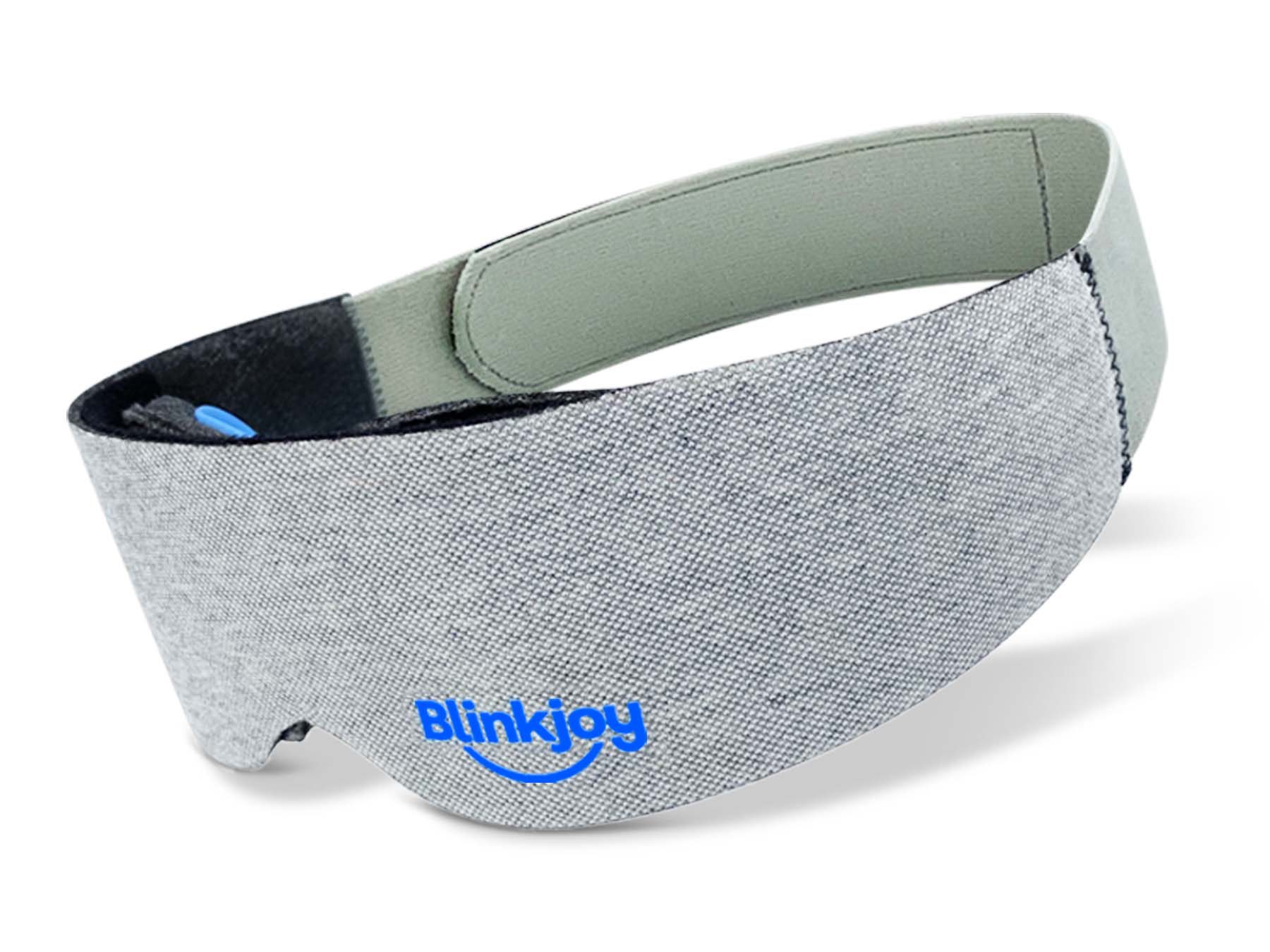
Similar to how a humidifier adds moisture to the air, moisture goggles worn during sleep can help to protect the eyes overnight. These goggles create (and maintain) a more humid environment around your eyes, reducing tear evaporation while you sleep (3).
4. Apply Warm Compresses
Warm compress therapy helps improve meibomian gland function, which is very often impaired in dry eye disease. Use a warm compress eye mask daily during the winter to help maintain healthy oil production in your tears. Ask your eye care practitioner for specific instructions.
5. Stay Hydrated
Dehydration can worsen dry eye symptoms. Drink plenty of water and avoid excessive caffeine or alcohol. Whole-body hydration is an important consideration in dry eye management (4).
6. Optimize Your Eye Drop Routine
Artificial tears can provide soothing relief, especially during winter months. Look for preservative-free drops if you use them frequently.
If symptoms persist, a healthcare professional may recommend prescription dry eye drops or other treatments. Additionally, if the drops you are using seem to be making your eyes more uncomfortable, be sure to bring this up with your eye care provider.
7. Adjust Screen Habits
Winter often means more indoor screen time. To protect your eyes:
-
Follow the 20-20-20 rule: every 20 minutes, look 20 feet away for 20 seconds. This re-establishes healthy blinking patterns and reduces symptoms due to digital eye strain.
-
Make a conscious effort to blink fully and frequently. Ask your eye care practitioner if you might need blink exercises!
8. Improve Your Diet for Dry Eye
Omega-3 fatty acids have been shown to support tear film stability. Consider adding foods such as:
-
Salmon or other fatty fish
-
Flaxseed
-
Chia seeds
An omega-3 supplement may be very helpful, particularly if your diet is not rich in these types of foods already. Always consult with your eye care practitioner before starting a new supplement. They may have specific recommendations on which ones are most likely to provide the best therapeutic effect for dry eye disease.
9. Talk to an Eye Care Professional
If dry eye symptoms persist despite at-home care, schedule a comprehensive eye examination and a dry eye evaluation. Your optometrist can evaluate whether your symptoms are in fact due to dry eye disease or if there may be something else going on. Earlier intervention generally improves outcomes and helps to prevent long-term ocular damage and more serious complications. An eye care professional can recommend personalized treatments such as prescription strength eye drops or oral medications, in-office procedures or treatments to alleviate more severe symptoms, nutritional supplements or specific eyelid hygiene routines.
Conclusion
Cold weather doesn’t have to mean dry, uncomfortable eyes. With the right winter dry eye care routine — including humidifiers, protective eyewear, and proper tear support — you can maintain ocular comfort and protect your eyes all season long.
References:
- Dartt, D. A. (2024). Formation and function of the tear film. Adler's Physiology of the Eye E-Book, 363.
- Arita, R., & Fukuoka, S. (2024). Safety and efficacy of photocatalytic micro-mist desktop humidifier for dry eye caused by digital environment: a randomized controlled trial. Journal of clinical medicine, 13(13), 3720.
- Craig, J. P., Chan, E., Ea, L., Kam, C., Lu, Y., & Misra, S. (2012). Dry eye relief for VDU users from a USB-desktop humidifier. Contact Lens and Anterior Eye, 35, e28.
- Walsh, N. P., Fortes, M. B., Raymond-Barker, P., Bishop, C., Owen, J., Tye, E., ... & Elghenzai, S. (2012). Is whole-body hydration an important consideration in dry eye?. Investigative ophthalmology & visual science, 53(10), 6622-6627.
Contributors:

Sarah Farrag, OD
Dr. Sarah Farrag is originally from Halifax, Nova Scotia, and is happy to be practicing optometry in her hometown. She graduated with honors from the University of Waterloo Doctor of Optometry program in June 2015. In addition to routine optometric care, Dr. Farrag also facilitates an advanced dry eye clinic offering specialty consultation and treatment for severe dry eye.